
Giant rainbow plant
Byblis gigantea
Description
Growing requirements
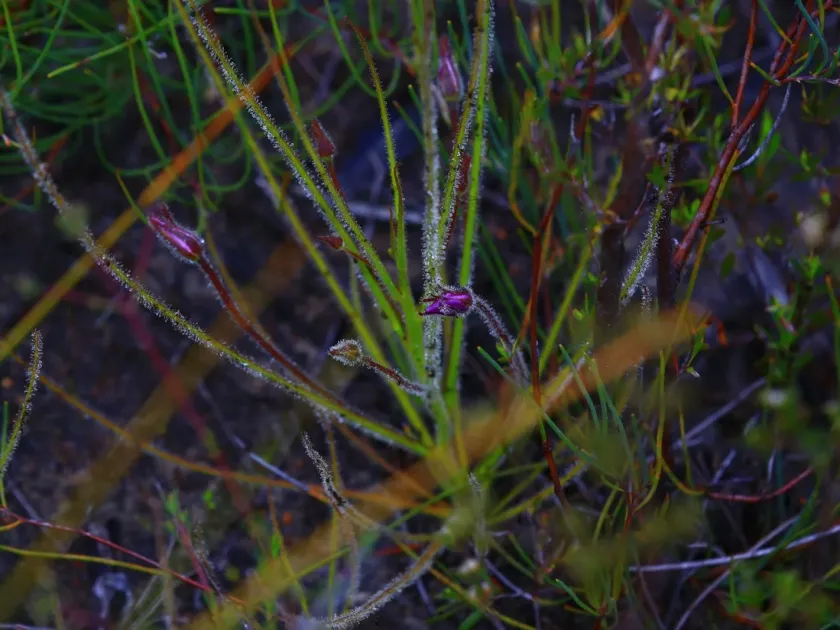
The giant rainbow plant (Byblis gigantea) is a unique perennial carnivorous species belonging to the Byblidaceae family, native to the sandy plains of Western Australia.
Cultivating this species requires an extremely well-draining substrate, typically consisting of a mix of silica sand and peat to mimic its natural nutrient-poor habitat.
High light intensity is fundamental for the health of the plant, as it stimulates the production of the sticky mucilage on the leaves required for prey capture.
Proper irrigation management is essential, strictly utilizing distilled or deionized water to prevent the accumulation of minerals that can kill the roots.
The plant grows in a rosette form initially and later develops long, semi-woody stems, which makes it a visually striking specimen for specialized botanical collections.
Main diseases and pests
Root rot, often caused by waterlogging the substrate or poor aeration, is the leading cause of mortality for this species in cultivation.
Aphids and spider mites are frequent pests that thrive in the microclimates of greenhouses and can damage the sensitive glandular foliage.
Powdery mildew represents a significant risk when ambient air humidity is inconsistent, often resulting in deformed growth and leaf necrosis.
Fertilizing with standard chemical products is highly discouraged, as the plant is adapted to obtain nitrogen through insect digestion rather than soil uptake.
Maintaining strict hygiene in the cultivation area, including regular inspection of leaf surfaces, is necessary to prevent the rapid spread of infestations.