
Bupleurum lanceolatum
Bupleurum lanceolatum
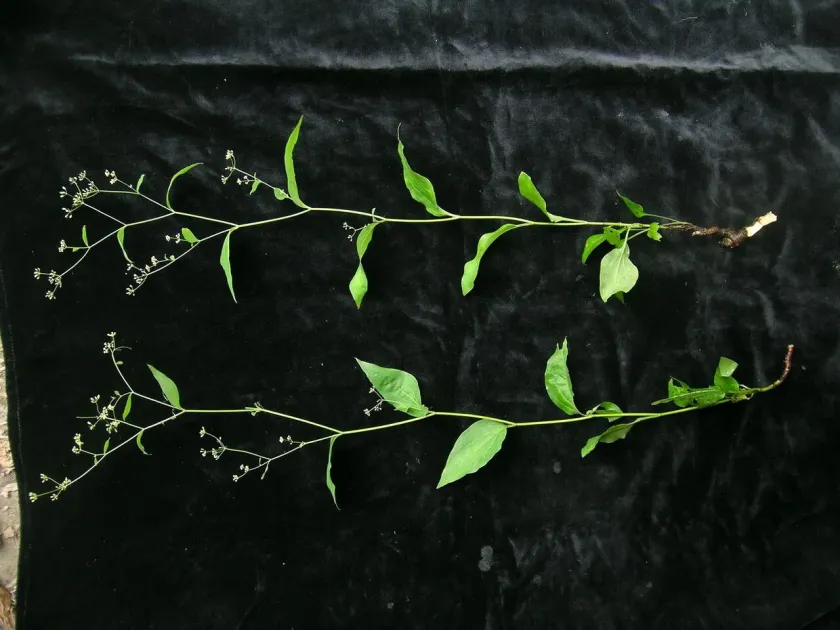
Description
Sowing dates
Sowing of Bupleurum lanceolatum is best performed in late autumn or early spring, as the seeds require cold stratification to ensure uniform germination.
Seeds should be sown in rows with a spacing of 45–60 centimeters between them to allow sufficient room for leaf rosette development.
The seeding depth should not exceed 1–2 centimeters, given the small size of the seeds and their relatively low energy reserves for emergence.
After sowing, the soil surface should be lightly compacted to ensure consistent seed-to-soil contact and optimal moisture uptake.
The optimal germination temperature ranges from 10 to 15 degrees Celsius, with the crop showing significant frost tolerance during early growth stages.
Growing requirements
Bupleurum lanceolatum belongs to the Apiaceae family and thrives in open, sunny locations with well-drained, sandy loam or loamy soils.
Proper drainage is essential for this crop, as waterlogging in the root zone can rapidly lead to rot and plant mortality.
The plant benefits from the application of balanced mineral fertilizers, particularly phosphorus and potassium, to boost root health and overall vigor.
During the rapid vegetative growth phase, moderate irrigation is necessary to prevent the topsoil from drying out completely.
The ideal soil pH is neutral or near-neutral, as highly acidic conditions can significantly inhibit the development of the root system.
Yield
The economic value of this crop lies in its aerial parts (herbs), which are typically harvested during the peak flowering stage.
The yield of raw material depends on plant density and agronomic conditions, generally ranging between 1.5 and 3 tons of dry matter per hectare.
The maximum concentration of active compounds, such as flavonoids and saponins, is reached when the yellow flowers are fully open.
With proper maintenance, the crop remains productive in the same field for 3 to 4 years before the stand density naturally begins to decline.
Post-harvest drying is conducted in well-ventilated areas or specialized drying facilities at temperatures not exceeding 45 degrees Celsius.
Main diseases and pests
Powdery mildew represents the primary threat to Bupleurum, especially in high-humidity environments or where plant stands are excessively dense.
Root rot diseases may affect the crop if the field is not rotated properly, with a recommended gap of at least 5 years between planting Apiaceae species.
Aphids and spider mites are the most common pests, feeding on tender foliage and potentially reducing the quality of the medicinal product.
Preventive measures include the use of fungicides and maintaining spatial isolation from other crops within the same family to prevent disease cross-contamination.
An integrated pest management program, involving regular field monitoring and targeted insecticide application, is recommended to keep pest populations below damage thresholds.
Harvesting
Harvesting is performed using mechanical harvesters set to a cutting height of 10–15 centimeters above the ground to minimize woody stem inclusion.
It is critical to conduct the harvest during dry weather to prevent moisture buildup and subsequent degradation of the herb during storage and transit.
The harvested plant material must be transported to processing facilities immediately to avoid heat buildup and fermentation within the cut mass.
A second cut is only viable under exceptionally favorable climatic conditions and irrigation support, although it usually yields lower-quality material than the primary harvest.
Prompt sorting and removal of weed impurities are essential post-harvest steps to ensure the product meets pharmaceutical quality standards.