
Damson plum
Prunus domestica L. subsp. insititia (L.) C. K. Schneid.
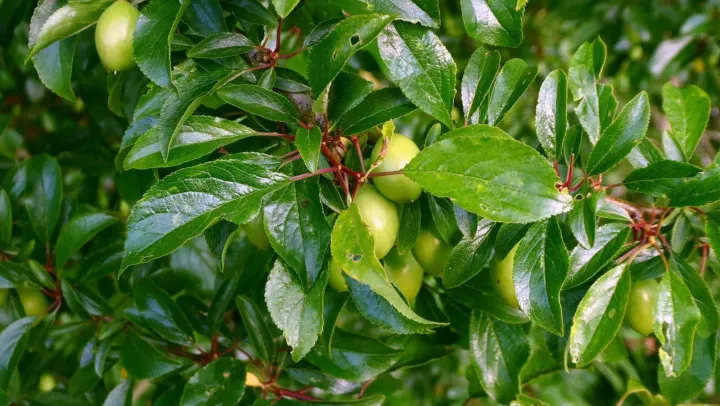
Description
Sowing dates
The Damson plum (Prunus domestica subsp. insititia) is primarily propagated through grafting onto specialized rootstocks to ensure consistency in fruit quality.
Planting is optimally performed in early spring before the buds begin to swell or during late autumn to allow the root system to settle before winter dormancy.
When planting, it is crucial to ensure that the site is well-drained and that the graft union remains slightly above the soil surface to prevent rot.
Spring planting is preferred in colder climates to prevent winter injury, while autumn planting can be successful in warmer regions where the roots can establish early.
Proper spacing between trees is essential to ensure adequate airflow, which helps reduce the prevalence of humidity-related fungal diseases within the canopy.
Growing requirements
This fruit crop belongs to the Rosaceae family and is recognized for its hardiness and adaptability to a wide range of climatic and soil conditions.
Damsons prefer deep, fertile, and slightly moisture-retentive soils, yet they demand good drainage to thrive and avoid detrimental waterlogged conditions.
The tree requires a temperate climate with sufficient winter chilling hours to break dormancy effectively and ensure a productive spring flowering season.
Annual maintenance involves organic mulching, regular fertilization to support canopy development, and careful pruning to remove dead or diseased wood.
Adequate sunlight exposure is vital for the tree, as it directly influences the sugar accumulation in the fruits and the overall health of the tree structure.
Yield
Yield capacity depends on the selected cultivar, the health of the rootstock, and the management practices employed by the grower throughout the season.
Damson trees typically begin to produce a significant crop from their fourth or fifth year, with production gradually increasing as the tree matures.
Techniques such as balanced pruning and optimal nutrient management are critical for maintaining consistent yield levels and preventing biennial bearing patterns.
The trees are known for their high fertility and consistent fruiting, making them a reliable choice for both small home gardens and commercial orchards.
Modern intensive orchard management, including localized irrigation and advanced pest monitoring, allows for significantly higher yields per hectare.
Main diseases and pests
Key diseases affecting the Damson plum include brown rot, which impacts flowers and fruits, and plum rust, which causes early defoliation and tree stress.
Common pests include the plum fruit moth, whose larvae tunnel into the fruit, and various species of aphids that congregate on the tender young leaves.
Integrated pest management strategies involve the use of dormant oil sprays to control overwintering insects and timely applications of fungicides during blooming.
Sanitation is a cornerstone of pest control, requiring the removal of mummified fruit and debris from the orchard floor to eliminate disease reservoirs.
Using resistant varieties is the most effective long-term strategy for managing common threats without excessive reliance on chemical intervention.
Harvesting
Harvesting of the Damson plum is conducted when the fruit has reached full color and the desired level of firmness for the intended end use.
For fresh market sales, fruit should be picked carefully, preserving the natural wax bloom on the skin, which enhances appearance and shelf life.
Damsons are highly prized for culinary purposes, including the production of preserves, jams, jellies, and as a key ingredient in traditional spirits.
Post-harvest handling requires prompt cooling to extend the storage period, as the fruit continues to ripen quickly at ambient room temperatures.
When harvested for processing, the fruit can be picked at peak maturity to maximize flavor complexity and natural pectin levels for jam making.