
Brunfelsia latifolia
Brunfelsia latifolia (Pohl) Benth.
Description
Growing requirements
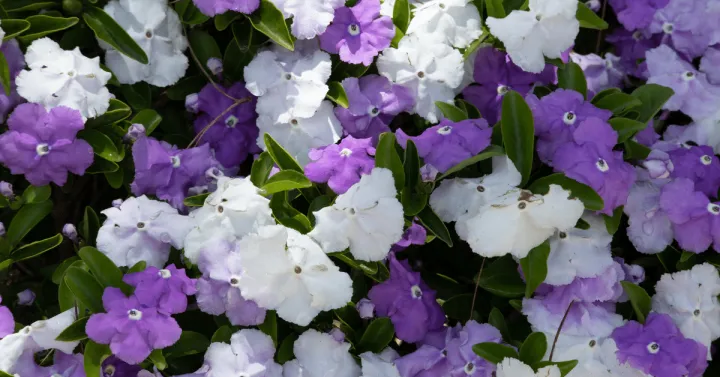
Brunfelsia latifolia is an evergreen shrub belonging to the Solanaceae family. Originating from the tropical regions of Brazil, this plant is highly prized in horticultural circles for its fragrant, color-changing flowers that add visual interest to any botanical collection.
The plant thrives in warm, humid conditions similar to its native tropical habitat. It requires a stable temperature range between 18 and 26 degrees Celsius, making it ideal for indoor cultivation in temperate climates or controlled conservatory environments.
Soil requirements for this species include a well-draining, slightly acidic medium. A mixture of peat moss, perlite, and high-quality potting soil provides the necessary aeration and moisture retention that the root system requires for healthy development.
Adequate indirect light is essential for the plant to bloom effectively. Direct, intense sunlight can scorch the foliage, while insufficient light leads to spindly growth and a significant reduction in the quantity and quality of flower production.
Maintenance techniques include consistent watering and periodic pruning to maintain a bushy shape. During the dormant winter phase, watering should be reduced to prevent saturation, as the plant does not require high levels of moisture during its recovery period.
Main diseases and pests
Spider mites are the most common pests associated with Brunfelsia latifolia, especially in indoor settings where air humidity is low. These tiny pests thrive in dry conditions and can cause severe leaf yellowing and drop if left uncontrolled.
Mealybugs and aphids frequently attack the young tender growth and floral buds. Regular inspection and the use of insecticidal soaps or neem oil solutions are effective management practices for these sucking insects.
Root rot is the most significant disease threat, typically caused by overwatering or poor drainage. Symptoms include wilting, stem softening, and browning of the root mass, which often proves fatal if not addressed early with fungicide treatments.
Fungal leaf spot diseases may appear during periods of high humidity and poor air circulation. Improving ventilation around the foliage helps minimize the risk of pathogen colonization and maintains plant vigor.
Nutritional deficiencies, specifically iron or magnesium chlorosis, can occur if the soil pH becomes too alkaline. Regular application of a balanced, micronutrient-enriched fertilizer is recommended to keep the foliage deep green and healthy.