
Brassiophoenix drymophloeoides
Brassiophoenix drymophloeoides
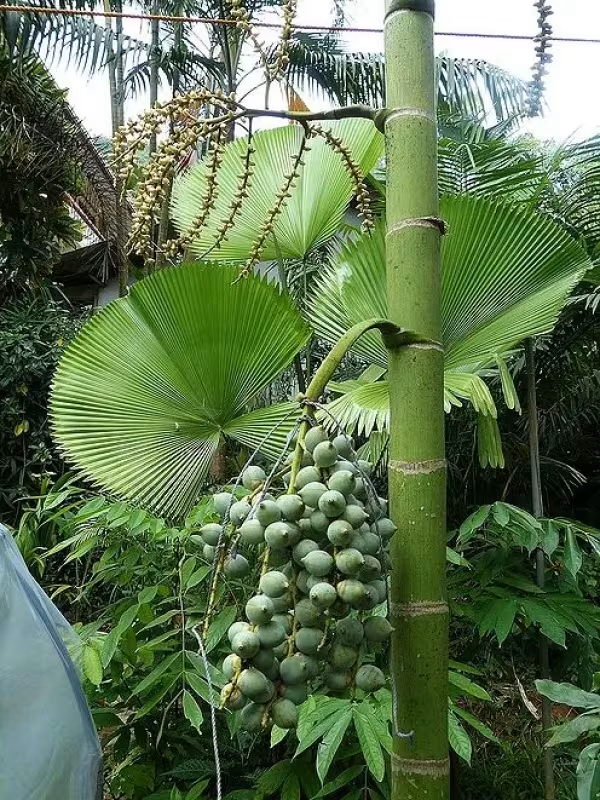
Description
Growing requirements
Brassiophoenix drymophloeoides is a striking species of palm belonging to the Arecaceae family. It is native to the tropical rainforests of Papua New Guinea, where it thrives in the sheltered, humid environments of the understory.
Botanically, this palm is distinguished by its slender, solitary trunk and elegantly arching pinnate leaves. The plant exhibits a slow to moderate growth rate, making it a desirable specimen for high-end tropical landscaping and conservatory collections.
Climate requirements for this species are strictly tropical. It demands constant warmth and high ambient humidity. It is highly sensitive to frost and chilling temperatures, which can irreversibly damage the foliage and cause growth arrest.
The soil must be rich in organic matter and possess excellent drainage properties. In cultivation, a mix composed of peat, coarse sand, and compost is typically used to simulate the natural forest floor conditions while preventing waterlogging.
Agrotechnical management involves providing dappled sunlight or partial shade. Direct, intense sunlight can scorch the leaves, so careful placement is necessary to mimic the natural canopy cover of its native habitat.
Main diseases and pests
The primary threats to Brassiophoenix drymophloeoides involve fungal pathogens, particularly those causing root rot. This is often an outcome of poor irrigation management and stagnant water in the growing medium.
Pests such as scale insects and spider mites are frequent threats, especially in enclosed environments with low air circulation. Regular monitoring of the leaf undersides is essential to detect early infestations before they spread.
Mealybugs can also colonize the base of the petioles, where they feed on sap. Horticultural oils or systemic insecticides can be effective in controlling these pests while maintaining the health of the palm foliage.
Nutrient deficiencies, specifically magnesium and potassium, can manifest as interveinal chlorosis or leaf tip necrosis. Applying slow-release fertilizers formulated for palms ensures a consistent supply of essential minerals throughout the growing season.
General stress, caused by fluctuating temperatures or inconsistent watering, reduces the plant's overall resistance. A stable environment is the best defense against both common pests and physiological disorders in this delicate palm.