
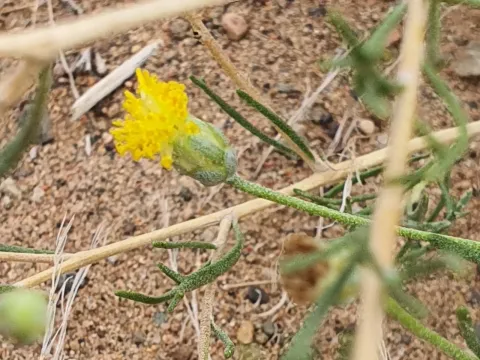
Brachanthemum
Brachanthemum DC.
Brachanthemum (Brachanthemum DC.) is a genus of perennial plants belonging to the Asteraceae family. Native to the harsh environments of Central Asia, these plants are well-known for their robustness and ability to thrive in poor, rocky soil conditions where many other species would fail.
What the section contains
Brachanthemum
The primary cultivation requirement is excellent soil drainage. Brachanthemum is highly drought-tolerant, but it is extremely sensitive to waterlogged conditions, which can lead to root rot. Sandy or gravelly substrates with a neutral to slightly alkaline pH are ideal for healthy development.
Light exposure is critical for the aesthetic quality of Brachanthemum. These plants require full sun to maintain their compact, low-growing habit and to ensure vibrant flower production. Insufficient sunlight will cause stems to become leggy and weak.
Temperature management is straightforward due to the plant's inherent cold-hardiness. It survives continental winter conditions well, provided that the soil is not saturated with water. During the growing season, moderate moisture is preferred, mimicking the cycles of dry mountain habitats.
In landscaping, this genus serves as a perfect choice for rock gardens, dry slopes, and xeriscaping. Its silvery foliage and late-season blooms provide excellent texture and visual contrast, making it a valuable addition to sustainable, low-maintenance garden designs.
The most significant threats to Brachanthemum are fungal pathogens, specifically those causing root and crown rot. These issues are almost exclusively triggered by over-watering or the use of heavy, moisture-retentive soils that do not provide adequate drainage.
Insect pests, such as aphids, can occasionally infest the growing tips of the plants. While Brachanthemum is generally hardy, significant aphid populations can weaken the plant and lead to stunted growth. Targeted insecticide treatments should be applied if monitoring indicates high pest pressure.
Powdery mildew can appear during humid periods with stagnant air. To prevent this, gardeners should ensure proper spacing between plants and avoid overhead watering, which increases the duration of moisture on the leaves.
Pest and disease management protocols for this crop rely heavily on preventative practices. This includes regular inspection of foliage, maintaining adequate air circulation around the plants, and prompt removal of any dead or decaying plant material.
If an infection is detected, immediate intervention with organic or synthetic fungicides is recommended. Additionally, correcting the soil conditions by increasing drainage or reducing watering frequency is essential for the long-term recovery and health of the population.