
Borya sphaerocephala
Borya sphaerocephala
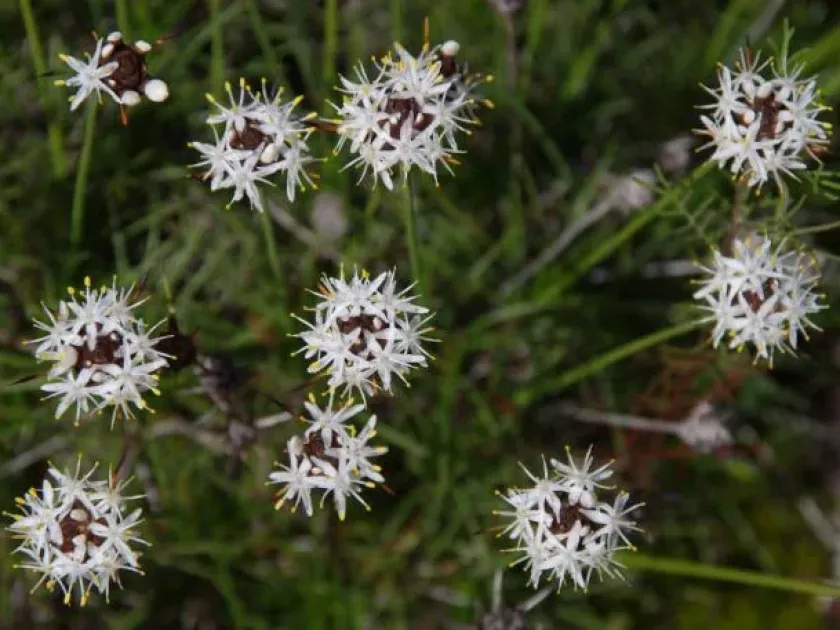
Description
Growing requirements
Borya sphaerocephala, commonly known as a type of rock lily or resurrection plant, is a distinct species within the Boryaceae family. It is native to the granite outcrops of Western Australia, where it thrives in harsh conditions.
The plant is famously known as a poikilohydric organism. This means it can withstand almost complete dehydration, turning into a brown, straw-like clump, and then rapidly returning to life with green foliage once water is reintroduced.
In its native environment, Borya sphaerocephala grows in shallow, rocky soils. These environments are characterized by poor nutrient content and rapid drainage, which are critical factors for its survival in any cultivation setup.
For successful growth, it is essential to provide a well-draining, mineral-heavy substrate. The plant does not tolerate high humidity or waterlogged roots, which mimic conditions that would naturally lead to rot in the wild.
The cultural requirements are strictly limited to those resembling a Mediterranean or semi-arid climate. Light levels should be high, and the seasonal watering cycle must be strictly followed to prevent physiological stress.
Main diseases and pests
The primary threat to Borya sphaerocephala is fungal infection, particularly root rot, caused by excessive moisture. Proper ventilation is vital to keep the plant healthy during periods of active growth.
Pests such as mealybugs or spider mites may pose a threat if the plant is maintained in a greenhouse environment where these insects are present. Vigilant monitoring is required to prevent infestations.
Climate change is an environmental threat that impacts the specialized niches where these plants grow naturally. Their limited range makes them highly susceptible to any shifts in local precipitation patterns.
Over-collection from the wild represents an anthropogenic threat. Due to its slow growth rate, the recovery of a damaged colony can take many years or even decades.
Lack of specific agronomic knowledge regarding the species can lead to improper soil selection, resulting in poor development and susceptibility to opportunistic pathogens found in artificial composts.