
Borya nitida
Borya nitida
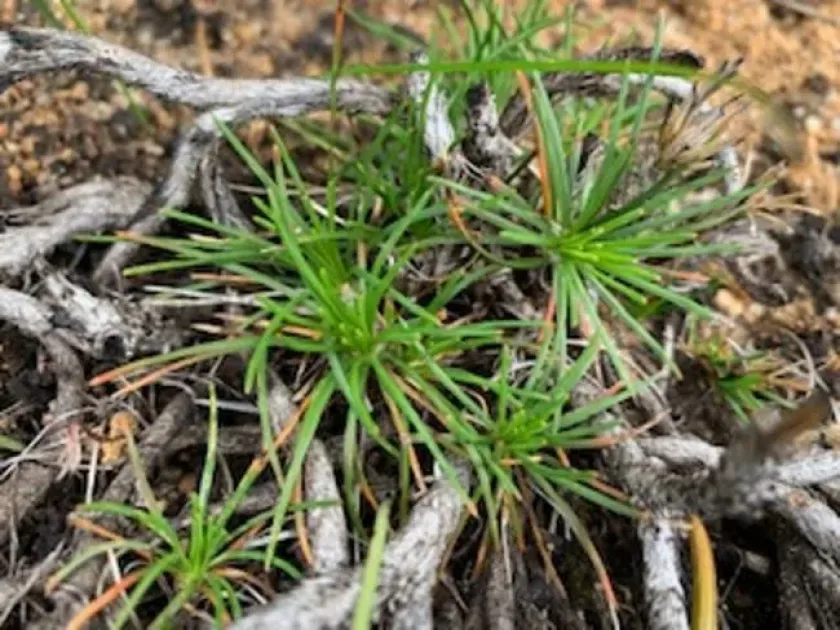
Description
Sowing dates
Borya nitida is an endemic species from Western Australia, belonging to the Boryaceae family. In its natural habitat, the plant reproduces via seeds, although germination is complex and requires specific environmental cues that are difficult to replicate in standard agricultural practice.
Seeds of this species undergo a period of dormancy, making vegetative propagation the preferred method for cultivation. Dividing the clumps during the active growth phase is the most efficient way to increase plant numbers while maintaining the integrity of the mother plant.
The optimal time for transplanting or division is after the flowering season when the plant begins a new vegetative cycle. The growing medium must be highly porous, consisting of sand and fine grit to ensure rapid water drainage and root health.
When grown from seeds, the process is notably slow, with the plant dedicating its early growth phase to establishing a robust root system. During this period, it is vital to avoid overwatering and sudden fluctuations in temperature, as the seedlings are highly delicate.
In a controlled environment, maintaining consistent air humidity is beneficial, provided that water does not pool in the central leaf rosette. Utilizing rooting hormones in a diluted concentration may assist in seedling establishment but should be applied with caution.
Growing requirements
The plant has strict environmental requirements rooted in its native rocky Australian terrain. It thrives in high-light conditions, preferring full sun exposure, although providing partial shade during the hottest parts of the day can protect the foliage from scorching.
The soil profile should be nutrient-poor and extremely well-draining, mirroring its natural stony habitat. Excellent aeration is essential; any substrate compaction or waterlogging can quickly lead to systemic failure of the root system.
Moderate temperatures are ideal for this species. While it is famous for its resurrection capabilities during severe drought, Borya nitida displays its best physiological performance and aesthetic appeal when provided with regular, controlled irrigation during its active season.
A neutral to slightly acidic pH level in the growing medium is recommended for optimal nutrient absorption. Installing a thick layer of gravel or pumice at the base of the container is a critical practice to facilitate drainage and prevent root rot.
During the winter, the plant requires a cool-down period to trigger future flowering cycles. It is essential to ensure that the environment remains free from stagnant air, as poor ventilation can increase the risk of pathogens in the leaf structure.
Main diseases and pests
Fungal pathogens associated with excessive moisture levels represent the primary threat to the vitality of Borya nitida. Root rot caused by poor soil drainage remains the most significant risk, often leading to rapid decline if left unaddressed.
Mealybugs are the most common insect pests that infest the plant, hiding within the tight crevices of the leaves. Regular inspection and mechanical cleaning, followed by targeted treatment with organic-safe insecticides, are effective management strategies.
Spider mites may occur in low-humidity environments, especially during the dry winter months in indoor settings. Routine light misting and wiping the leaves down with a damp cloth are effective preventive measures against these pests.
Gray mold can develop if the plant is subjected to poor air circulation, particularly during cooler, humid periods. Any infected sections must be removed immediately, and the plant should be treated with appropriate systemic fungicides to halt the spread.
Accumulation of mineral salts from hard tap water can negatively impact the plant, leading to leaf tip burn and chlorosis. To maintain the health and appearance of the specimen, it is recommended to irrigate exclusively with soft or distilled water.