
Boophone disticha
Boophone disticha
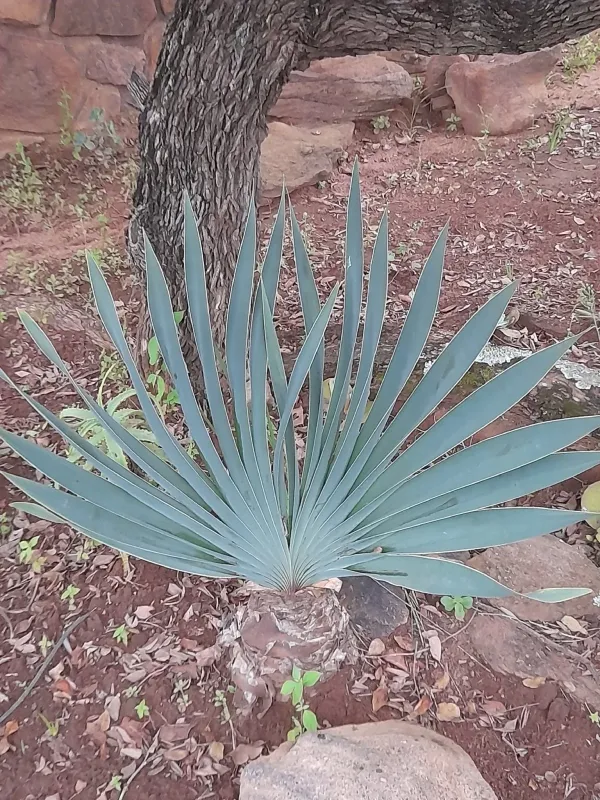
Description
Growing requirements
Boophone disticha is a perennial bulbous plant belonging to the Amaryllidaceae family. It is native to South Africa, where it thrives in open, rocky, or grassy habitats with excellent natural drainage.
The plant features a large, globose bulb that is partially exposed above the soil surface, reaching up to 20 centimeters in diameter. Its leaves are distinctively arranged in two rows, creating a fan-like appearance.
For successful cultivation, the plant requires intense sunlight. It is crucial to mimic its natural environment by providing a clear distinction between the active growing season and a strictly dry dormant phase.
The growing medium must be loose, gritty, and highly porous. Waterlogging around the bulb neck is extremely detrimental, often causing fatal rot during the colder or dormant months.
Growth is notably slow, and propagation from seed requires patience. The plant contains highly toxic alkaloids, historically utilized in traditional medicine, necessitating caution during handling and cultivation.
Main diseases and pests
Fungal infections, primarily caused by excessive soil moisture, represent the most significant threat to the health of the bulb.
In greenhouse or indoor conditions, mealybugs are the most common pests that infest the leaf axils and the exposed parts of the bulb.
Scale insects can also infest the leaves, weakening the plant and facilitating secondary bacterial attacks.
The larvae of the onion fly can penetrate the bulb tissue, which leads to structural damage and severe rot.
Preventive measures include applying systemic fungicides and maintaining a strict dry environment during the plant's natural dormancy period.