
Black cherry
Prunus serotina Ehrh.
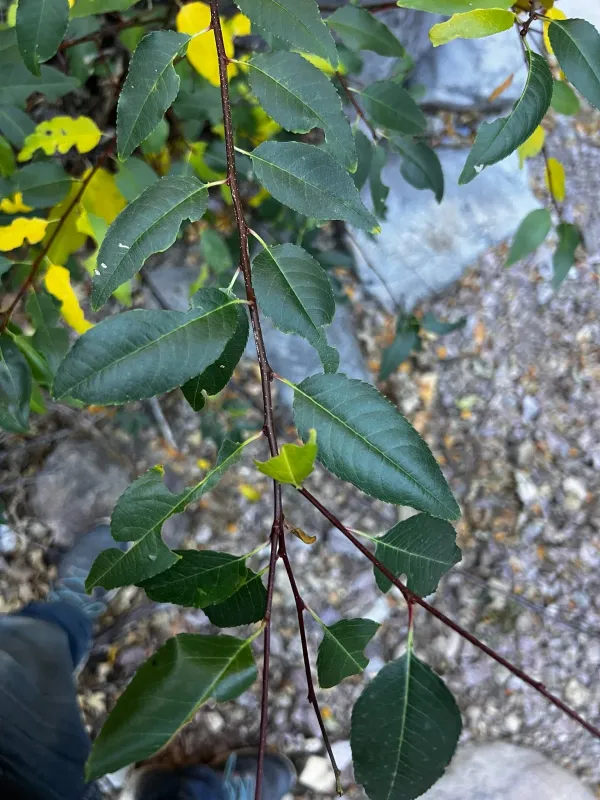
Description
Sowing dates
Black cherry (Prunus serotina) is primarily propagated by seeds, which require a cold stratification period of 60 to 90 days to break dormancy. This process mimics natural winter conditions and significantly increases germination rates.
Sowing in nurseries is carried out in early spring. The seeds are planted at a depth of 3–5 cm in well-prepared, loose soil, ensuring consistent moisture levels during the critical period of emergence.
For establishing plantations, using one or two-year-old seedlings is highly recommended. These saplings should be healthy, vigorous, and free from any mechanical damage to ensure successful establishment.
Planting density is crucial for timber quality, as higher densities encourage height growth and self-pruning of lower branches. Typically, a spacing of 2x2 or 2.5x2.5 meters is utilized in commercial forestry.
Natural regeneration is quite common for this species, as seeds are readily dispersed by birds. In managed forests, this can sometimes become invasive, requiring careful planning to manage tree density and competition.
Growing requirements
As a member of the Rosaceae family, Prunus serotina thrives in deep, fertile, and well-drained soils. It prefers loamy or sandy loam textures that maintain moderate moisture throughout the growing season.
This species is highly light-demanding. To achieve maximum growth rates and timber quality, it should be planted in open areas with full sun exposure, as shade tolerance decreases significantly with age.
Black cherry is adaptable to a wide range of temperatures, exhibiting high cold hardiness. However, it performs best in regions with moderate annual precipitation and avoids areas with persistent waterlogging.
Maintenance during the first few years involves aggressive weed control. Reducing competition for nutrients and soil moisture is essential to prevent stunted growth and ensure the survival of young trees.
The tree responds well to appropriate soil management. On sites with low nutrient availability, light fertilization can be beneficial in the early stages, although the species is generally resilient on suitable sites.
Yield
The primary economic value of black cherry lies in its high-quality timber, which is highly sought after for furniture and interior design. The wood is characterized by its reddish-brown color, fine grain, and excellent machining properties.
Black cherry timber is stable, easy to glue, and finishes to a high polish, making it a premium choice for high-end cabinetry. It is considered one of the most valuable hardwoods in North America.
While the fruits are edible, they are not primarily harvested for commercial food production due to their size and tannin content. Instead, they provide critical forage for wildlife, enhancing the biodiversity of forest ecosystems.
The rotation age for timber production typically ranges from 40 to 60 years. With proper silvicultural management, including thinning, trees reach high quality and sufficient diameter for commercial processing.
Bark extracts have historical and medicinal applications, as they contain various bioactive compounds. These secondary uses underscore the versatility and importance of black cherry in diversified forestry operations.
Main diseases and pests
The species is susceptible to several fungal diseases, including black knot (Apiosporina morbosa), which causes distinct galls on branches. This disease can affect vigor and, in severe cases, the tree's health.
Defoliating insects, such as the eastern tent caterpillar, can cause significant stress by consuming foliage. Outbreaks may necessitate integrated pest management strategies to protect the canopy growth.
Powdery mildew often affects nursery-grown seedlings or young trees in humid environments. It typically impacts the photosynthetic capacity of leaves, which can retard growth in the short term.
Root rot and stem cankers may occur if the soil drainage is poor or if trees are subjected to repeated environmental stress. Healthy site selection is the best preventative measure against these threats.
- Regular inspection of plantation health.
- Pruning of infected or dead branches.
- Use of resistant planting stock if available.