
Chokecherry
Prunus virginiana L.
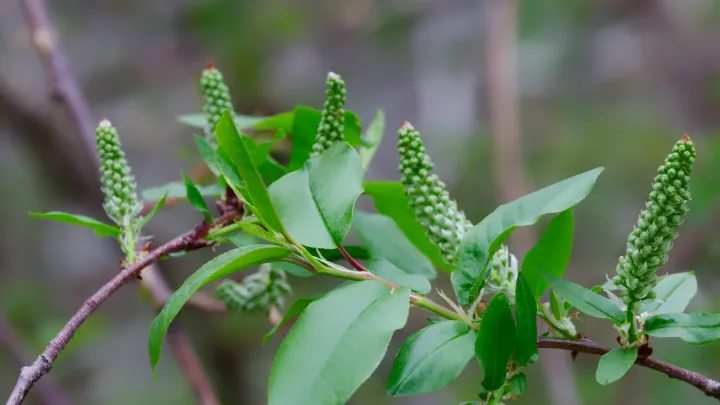
Description
Sowing dates
Propagation is typically achieved through seeds, which require a cold stratification process to break dormancy. This process involves keeping seeds at temperatures between 0 and 5 degrees Celsius for approximately 3 to 4 months before planting.
Direct sowing in outdoor seedbeds is most effective in the autumn. Winter temperatures provide the necessary stratification naturally, leading to higher germination rates in the following spring as the ground warms up.
When planting nursery-grown saplings, early spring or late autumn is recommended to minimize transplant shock. Adequate spacing, typically 3–4 meters between plants, ensures sufficient airflow and resource availability for long-term growth.
Initial establishment requires consistent irrigation, especially during the first few years of growth. Once established, the root system is robust enough to tolerate mild dry spells, although supplemental watering during fruit development can improve berry quality.
Pruning is recommended for maintenance, focusing on removing dead or crossing branches to promote an open crown. This improves light penetration and facilitates easier management during harvest seasons.
Growing requirements
Chokecherry (Prunus virginiana L.) is a perennial shrub or small tree belonging to the Rosaceae family. Known for its remarkable hardiness, this plant is widely cultivated for its adaptability to various climate conditions, particularly in temperate regions.
The plant thrives in full sun but can tolerate partial shade, making it a versatile choice for orchard layouts. It prefers deep, fertile, and well-drained soils with a neutral pH, although it exhibits significant tolerance for a variety of soil types.
Native to North America, the chokecherry is commonly found in riparian zones, forest edges, and thickets. Its natural habitat is characterized by moderate moisture availability, which should be replicated in garden or farm settings for optimal yields.
Proper agronomic management requires regular organic fertilization, such as compost application, to maintain soil structure and fertility. Mulching around the base is essential to retain moisture and suppress competitive weed growth during the early stages of development.
Economically, chokecherry is valued for its fruits used in preserves, jellies, and wines. Additionally, it serves as a significant ornamental plant, favored for its profuse, fragrant white flower racemes and attractive foliage that turns brilliant colors in autumn.
Main diseases and pests
The most common disease threat for Prunus virginiana is black knot, a fungal disease causing swellings on branches. Other issues include powdery mildew and various leaf spot fungi, which thrive in humid and poorly ventilated conditions.
Key insect pests include aphids that feed on young shoots, and several species of caterpillars, such as leafrollers, that feed on foliage. Monitoring programs are essential to detect outbreaks early in the season to prevent significant damage.
Effective disease control involves removing infected plant parts and applying copper-based fungicides. Sanitation is crucial; all fallen leaves and debris should be collected and destroyed to reduce the inoculum load for the following season.
For pest management, the use of systemic insecticides may be necessary during heavy infestations. Integrated Pest Management (IPM) practices, including the use of pheromone traps and beneficial insect conservation, are encouraged for sustainable production.
Maintaining a balanced ecosystem within the orchard helps mitigate threats. By ensuring proper site selection and avoiding waterlogged areas, growers can drastically reduce the susceptibility of their chokecherry trees to root rot and other moisture-related diseases.
Harvesting
Harvesting usually occurs in late summer or early autumn when fruits reach their peak maturity. The berries should be dark purple or black, indicating high sugar content and the reduction of natural astringency.
Because the fruits are small and somewhat delicate, hand-picking is the preferred method for smaller orchards to maintain quality. Care must be taken to gather clusters gently to avoid crushing the berries and releasing their juices too early.
Post-harvest management involves immediate cooling to preserve the fruit's integrity. Chokecherries do not store well fresh and should be processed or frozen within 24 hours of being picked to prevent fermentation and quality loss.
For industrial processing, fruits are often separated from the stems using mechanical shakers followed by winnowing. This allows for efficient handling of large volumes intended for juice extraction or commercial jam production.
Dried chokecherries are a shelf-stable alternative that retains much of the fruit's nutritional profile, including vitamins and tannins. They are highly sought after for both culinary uses and traditional herbal remedies, representing a valuable niche market product.