
Bifrenaria tyrianthina
Bifrenaria tyrianthina
Description
Growing requirements
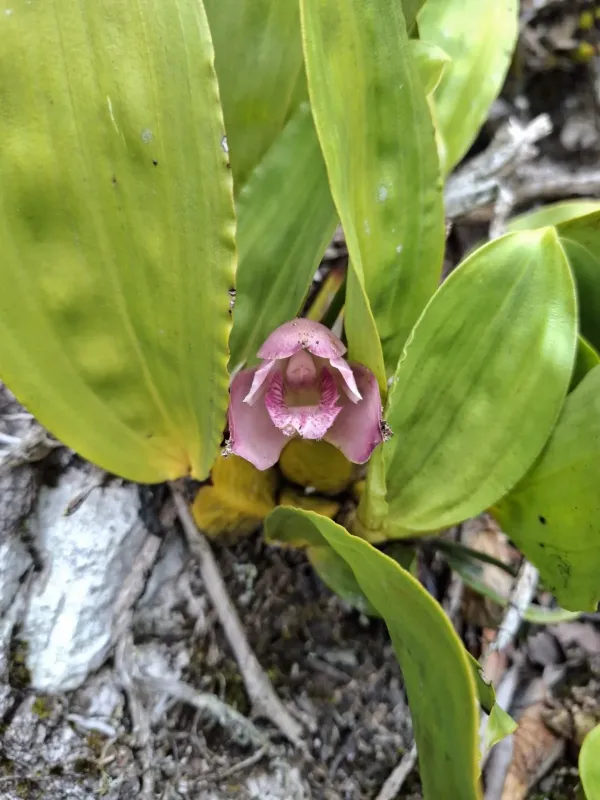
Bifrenaria tyrianthina is an exquisite epiphytic orchid species belonging to the Orchidaceae family, native to the tropical forests of Brazil. It is recognized for its sympodial growth habit, consisting of dense, conical pseudobulbs that provide structural support and water storage, each topped with a single leathery leaf.
The successful cultivation of this species requires a climate that mimics its natural habitat, with temperatures generally ranging from 22°C to 26°C during the day. A significant nocturnal temperature drop to approximately 15-18°C is essential to trigger healthy growth cycles and promote the development of its distinctive purple-hued flowers.
Light intensity plays a critical role in the vigor of Bifrenaria tyrianthina. It thrives under bright, diffused light conditions; however, it must be protected from direct, scorching midday sunlight which can lead to leaf necrosis. An eastern or western exposure is often ideal for maintaining the plant's health.
Regarding soil and substrate, this plant requires a highly porous medium to facilitate excellent aeration and rapid drainage. A mixture consisting primarily of coarse fir bark, charcoal, and a small portion of perlite is recommended to prevent root suffocation and mimic the epiphytic environment found on tree branches.
Watering techniques must be adjusted according to seasonal changes. During the active growing phase, regular watering is necessary as the medium approaches dryness. In the dormant period, watering should be significantly restricted, allowing the pseudobulbs to maintain their integrity without the risk of rot from excessive stagnant moisture.
Main diseases and pests
Fungal and bacterial infections are the most common threats to Bifrenaria tyrianthina, usually triggered by poor ventilation or chronic overwatering. If symptoms such as dark spots or soft tissue decay appear, immediate intervention by trimming the affected areas and applying a sterile fungicide is mandatory.
Insect pests, specifically scale insects and spider mites, can cause significant damage by feeding on the sap of tender leaves. To manage these threats effectively, periodic inspection of the leaf underside and the base of the pseudobulbs is crucial, complemented by the application of horticultural oils or specialized insecticides.