
Bifrenaria harrisoniae
Bifrenaria harrisoniae
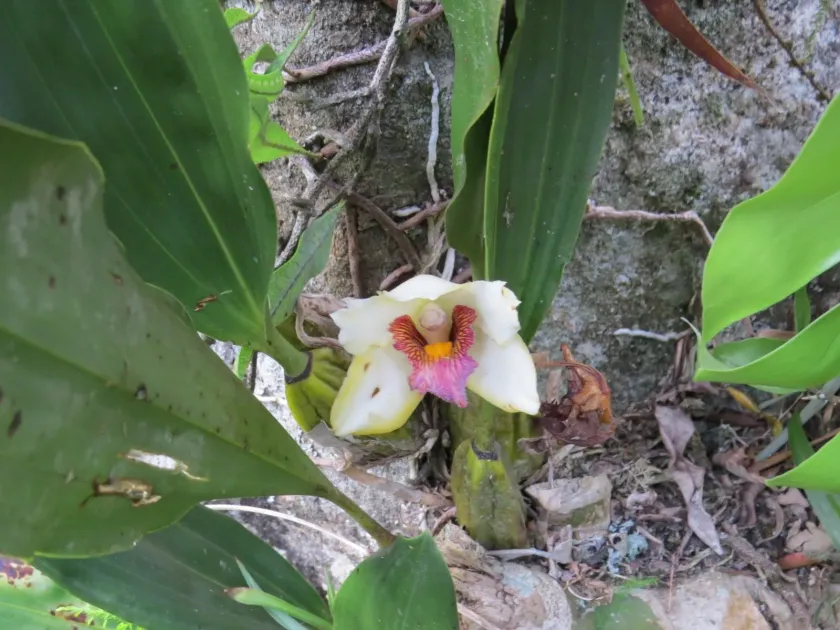
Description
Growing requirements
Bifrenaria harrisoniae is a perennial epiphytic orchid species belonging to the Orchidaceae family. Native to the tropical forests of Brazil, it naturally thrives by attaching itself to tree trunks, absorbing moisture and nutrients from its environment.
Cultivation of this species requires bright, indirect sunlight to ensure healthy vegetative growth and flowering. Direct sunlight should be avoided during the peak hours of the day to prevent leaf scorch and damage to the pseudobulbs.
The potting medium must be highly porous and well-draining, typically consisting of bark chips, charcoal, and sphagnum moss. This composition is essential for maintaining proper aeration and preventing the roots from suffocating in wet conditions.
Temperature requirements involve warm daytime conditions combined with cooler nighttime temperatures, especially during the resting phase. Such a temperature gradient is often a key trigger for the formation of flower spikes in this specific variety.
Watering practices should be balanced; the substrate should dry out significantly between waterings. During the winter dormancy period, watering frequency is reduced to prevent root rot while ensuring the plant does not dehydrate entirely.
Main diseases and pests
The primary threats to Bifrenaria harrisoniae involve fungal and bacterial infections caused by excessive moisture. Stagnant water around the roots or in the crown of the plant is the most common cause of tissue necrosis and pseudobulb collapse.
Pests such as spider mites and scale insects are frequent issues. These pests thrive in dry, warm conditions and feed on the sap of the leaves, causing structural damage and making the plant vulnerable to secondary bacterial infections.
Mealybugs are another common concern, often hiding in the crevices of the pseudobulbs and leaf axils. They are easily identified by their white, cottony secretions and must be treated immediately with systemic insecticides or horticultural oils.
To mitigate these threats, maintain optimal airflow around the foliage at all times. Good ventilation ensures that excess moisture evaporates quickly, reducing the environment's suitability for fungal spore germination.
Regular maintenance, including the removal of dead roots and old pseudobulbs, is recommended to prevent the accumulation of organic waste, which can harbor pests and pathogens in an indoor or greenhouse setting.