
Bifora dicocca
Bifora dicocca
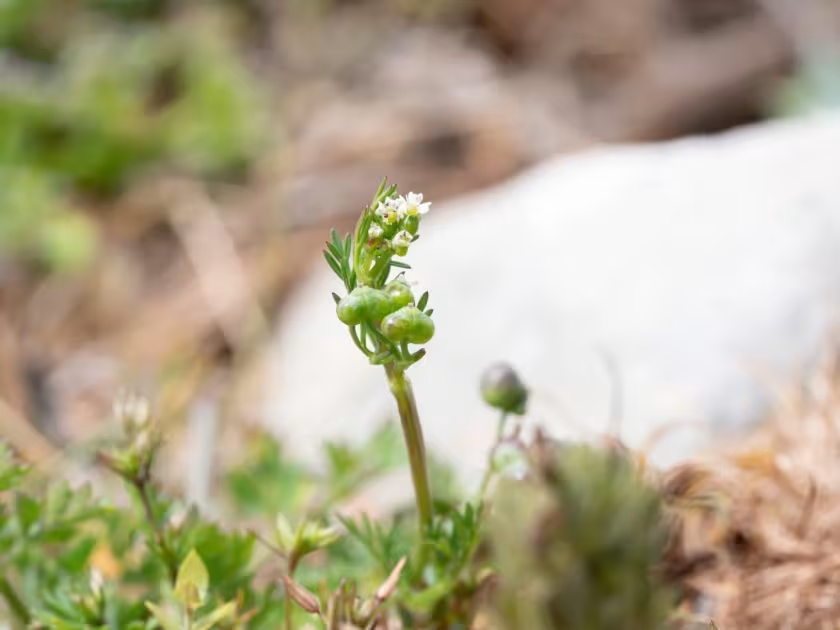
Description
Sowing dates
Bifora dicocca is an annual herbaceous plant belonging to the Apiaceae family. Native to the Mediterranean region, it thrives in sunny, open habitats with well-drained soils, showing a preference for temperate climates.
The optimal sowing time is early spring when soil temperatures reach 8–10 degrees Celsius. Successful germination requires consistent moisture and a finely prepared seedbed to ensure uniform depth of sowing, typically around 2–3 centimeters.
Standard agricultural practices involve row planting with spacings of 30–45 centimeters between rows. This arrangement facilitates weed control operations and ensures adequate airflow throughout the canopy to prevent fungal diseases.
Young seedlings are delicate and require careful monitoring during the emergence phase. Ensuring that the soil surface remains moist without crusting is essential for maximizing field emergence rates across the planted area.
Due to its rapid growth cycle, Bifora dicocca can be utilized as a productive short-season crop. Proper management of plant density is crucial to ensure that each plant has enough space to develop robust flowering structures.
Growing requirements
This crop prefers light, well-drained sandy loam or loamy soils with a neutral pH. It is highly sensitive to waterlogging, making proper drainage an essential requirement for field selection and soil preparation.
Sunlight is a key factor for the development of essential oils within the plant. Areas with full sun exposure produce the best results, as shading can significantly reduce both the biomass yield and the concentration of aromatic compounds.
Nutrient management should focus on a balanced NPK ratio. Nitrogen application supports early vegetative growth, while potassium is particularly important during the flowering stage to improve the quality and oil content of the seeds.
Regular cultivation of the soil between rows is necessary to break up crusts, suppress weeds, and promote healthy root aeration. This mechanical care contributes to better water efficiency and overall plant vigor during dry periods.
Climate plays a significant role in successful cultivation; the plant performs best in regions where summer temperatures are moderate. Intense heat or prolonged drought during flowering may necessitate irrigation to ensure seed set.
Yield
Bifora dicocca is primarily cultivated for its seeds, which are rich in aromatic essential oils. These seeds are valued in the food industry as a spice and potentially in the pharmaceutical industry for their biological properties.
Yield potential depends heavily on soil fertility, moisture availability, and proper weed management. Under intensive cultivation, average seed yields typically range between 500 and 1000 kilograms per hectare.
Harvest timing is a critical determinant of final yield. As the seeds mature, they can easily shatter from the stalks, so monitoring the crop closely for the onset of seed discoloration and drying is essential to prevent harvest losses.
Post-harvest processing involves threshing and cleaning the seeds to remove debris and plant material. Proper cleaning ensures that the product meets quality standards for commercial distribution and safe long-term storage.
Maintaining optimal seed moisture content is essential for maximizing storage life. Seeds should be dried to approximately 10–12% moisture to prevent spoilage and the loss of essential oils during storage.
Main diseases and pests
Fungal diseases like powdery mildew are common threats, especially under conditions of high humidity and poor air circulation. Proactive management includes selecting appropriate plant density and applying fungicides if necessary.
Root rot diseases can occur if the soil remains waterlogged for extended periods. Avoiding heavy, poorly drained soils and following a strict crop rotation schedule are the primary methods for preventing these soil-borne pathogens.
Pests such as aphids and various species of plant bugs can significantly damage the plants by feeding on sap and attacking flower buds. Regular field scouting is necessary to detect infestations before they reach economic damage thresholds.
Thrips may also pose a threat during the flowering period, potentially reducing seed production. Integrated Pest Management (IPM) strategies, including biological controls or selective insecticides, are recommended to maintain crop health.
General crop protection relies on keeping the plants stress-free through proper nutrient and water management. Healthy, well-nourished plants are naturally more resistant to the minor pest pressures commonly found in Apiaceae crops.
Harvesting
The harvest of Bifora dicocca is best managed using a two-phase process. The plants are first swathed or cut when 75–80% of the seeds have reached physiological maturity, allowing them to finish drying in the field.
Cutting should be performed during cool morning or evening hours when moisture levels are slightly higher, which helps prevent excessive seed shattering during the mechanical handling of the stems.
After the swath has dried, threshing is performed using combine harvesters set to low cylinder speeds. Careful calibration is vital to avoid cracking the fragile seeds, which would lower their quality and shelf stability.
The harvested seed must be cleaned immediately to remove foreign material. Drying equipment may be used if weather conditions are unfavorable for field drying, ensuring the moisture content is reduced to safe levels for storage.
Storage should take place in a cool, dry, and well-ventilated environment. Using high-quality packaging materials helps preserve the aroma of the seeds, preventing cross-contamination and the absorption of unwanted odors.