
Bifora americana
Bifora americana
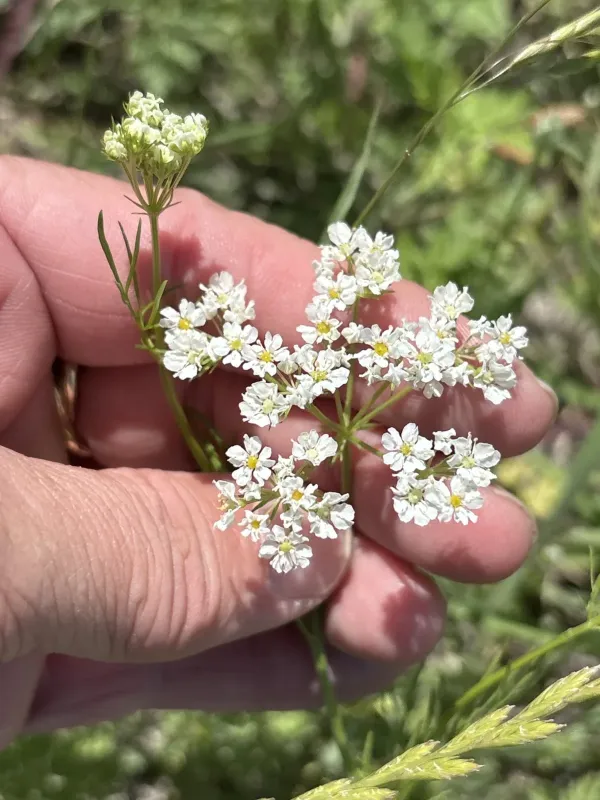
Description
Sowing dates
Bifora americana, commonly known as prairie bishop, is an annual herb belonging to the Apiaceae family. Its biological cycle is tailored to early spring growth, allowing it to establish quickly in temperate climates before the heat of the summer season arrives.
For agricultural cultivation, the seeds should be sown into well-prepared, loose soil that provides good drainage. Planting depth should be minimal, as the seeds require slight exposure to light for optimal germination rates.
The sowing schedule generally falls within the spring months, once the risk of severe ground frost has passed. Early sowing ensures that the plant develops a robust root system, which is crucial for subsequent vegetative growth.
Proper spacing is vital for the development of individual plants. Depending on the desired yield type, row sowing is typically preferred to facilitate mechanical weed control and maintain airflow within the canopy.
The plant exhibits high vigor, often colonizing open areas effectively. When managed as a crop, controlling the population density prevents excessive competition between individual plants for essential nutrients.
Growing requirements
The species thrives in soils with good aeration, preferring light, sandy or loamy textures. It shows a particular resilience to varied soil pH levels, although neutral to slightly alkaline environments are considered ideal for maximum nutrient uptake.
As a sun-loving plant, Bifora americana requires full exposure to solar radiation to prevent etiolation and lodging. Shade-covered areas should be avoided as they significantly impact the structural integrity of the stems and reproductive output.
The plant is relatively drought-tolerant once established but benefits from consistent moisture during the early vegetative and flowering stages. Over-saturation of the soil should be avoided to minimize the risk of root pathogens.
Nutrient requirements are modest compared to high-intensity cereals. A balanced fertilization program focusing on nitrogen in early stages and potassium during the development of flowering structures is often sufficient.
Site selection should prioritize areas with good natural drainage. In fields prone to waterlogging, additional land leveling or bed elevation is recommended to ensure the health of the crop.
Yield
The yield of green biomass depends significantly on the timing of harvest and the availability of nitrogen. Early-stage harvests typically yield high-quality foliage suitable for various agricultural applications.
Seed yield is heavily dependent on the efficiency of pollination. The presence of local pollinators is beneficial, and commercial fields may see improved outcomes if managed with practices that support local insect populations.
Under optimal management conditions, the crop produces a reliable amount of seed annually. The longevity and viability of these seeds are high when stored under controlled, dry conditions.
Yield stability is one of the key characteristics of this plant, making it a reliable subject for research in sustainable and low-input agricultural systems.
Agronomic field trials suggest that yield can be optimized through periodic monitoring of soil moisture and the reduction of weed competition during the critical early stages of crop development.
Main diseases and pests
The main threats to Bifora americana include fungal infections such as powdery mildew, which often occur during periods of high humidity. Proactive monitoring and improved airflow are the best strategies for mitigation.
Pests, particularly aphids, can cause significant damage by feeding on young plant tissues. Regular inspections allow for early detection and the application of integrated pest management strategies if necessary.
Soil-borne insects, including wireworms, can damage the crown of the plant. Proper crop rotation practices help to break the life cycle of these pests and minimize the impact on the current crop.
Environmental stress, such as extreme heat during the flowering phase, can lead to premature senescence and a decline in seed set, necessitating effective site management.
- Powdery mildew (Erysiphaceae)
- Aphids (Aphididae)
- Wireworms (Elateridae)
- Damping-off (Pythium/Rhizoctonia)
Harvesting
Harvesting for biomass should occur prior to the onset of the flowering stage to ensure the highest nutrient density. Mechanical swathers are effective tools for gathering the green material.
When harvesting for seed production, growers must wait until the flowering umbels change color, signaling physiological maturity. This stage is critical to prevent yield losses due to seed shattering.
Harvesting during the cooler parts of the day is recommended to reduce moisture loss and ensure that seeds remain intact within the fruiting structures during mechanical processing.
Post-harvest management involves drying the seed material in a well-ventilated space to reduce moisture content to levels suitable for long-term, stable storage.
Seed cleaning should be performed using standard agricultural machinery calibrated for small seeds to ensure the removal of debris and ensure a high-purity final product.