
Bhesa robusta
Bhesa robusta
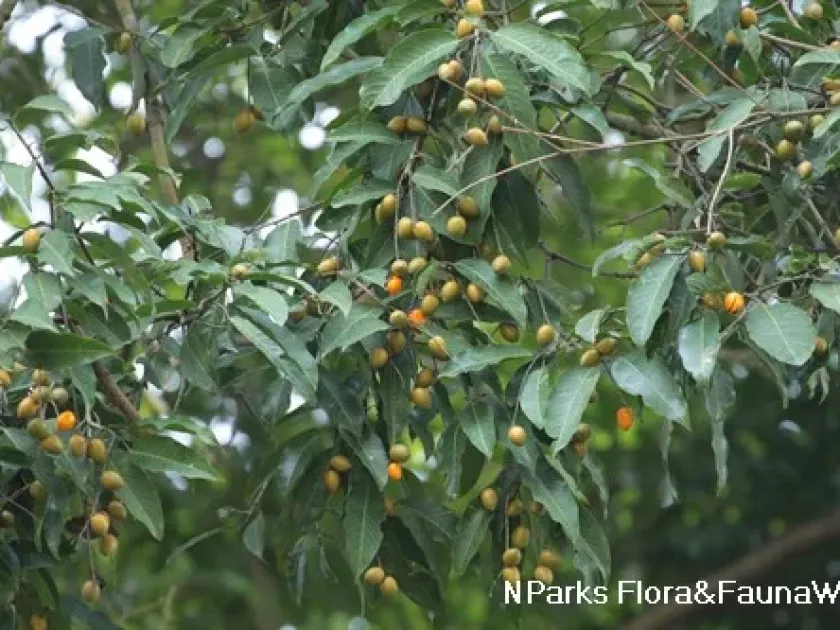
Description
Growing requirements
Bhesa robusta is a significant evergreen tree species belonging to the Celastraceae family. It is recognized for its robust growth habit and architectural form, which makes it a notable component of the tropical rainforest canopy in its native range.
The native habitat of this species spans across Southeast Asia, including parts of India, Myanmar, Thailand, and Vietnam. It primarily thrives in evergreen mountain forests, where high humidity and warm temperatures persist, supporting year-round vegetative growth.
Regarding soil requirements, the species favors deep, nutrient-rich, and well-drained substrates. It is sensitive to environmental stressors such as prolonged drought or poor drainage, which explains its preference for specific high-rainfall ecological zones.
The botanical characteristics of Bhesa robusta include leathery, alternate leaves and small axillary flowers that typically produce capsules. These morphological traits are specialized adaptations to the competitive environment of dense tropical forest ecosystems.
In terms of economic utility, the tree is valued in regional forestry for its durable and dense timber. This wood is commonly utilized in the construction sector and for carpentry, contributing to the local wood industry in the regions where the tree naturally occurs.