
Bhesa paniculata
Bhesa paniculata
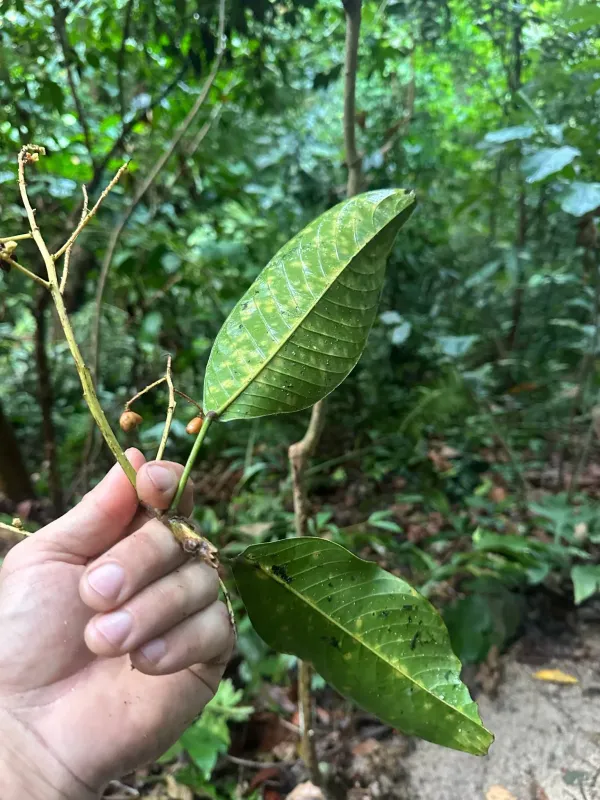
Description
Growing requirements
Bhesa paniculata is a prominent evergreen tree species belonging to the Celastraceae family. It is native to the tropical forests of South and Southeast Asia, where the high ambient humidity and year-round warmth facilitate its rapid growth cycle and structural development.
This species requires fertile, deep, and well-drained soils to thrive optimally. It does not tolerate waterlogging, as the root system requires adequate aeration to prevent physiological stress and fungal root decay during the peak monsoon periods typical of its natural range.
Botanically, the tree is identified by its alternate, leathery leaves and characteristic panicle inflorescences, from which it derives its specific epithet. The structural integrity of the wood and the canopy density make it a significant component of its local ecosystem.
In terms of economic utility, Bhesa paniculata is harvested for its timber, which is utilized in various wood-working industries. Beyond timber production, it plays a vital role in agroforestry systems, providing shade for smaller crops and preventing soil erosion in tropical mountain areas.
Agronomic management involves selecting appropriate planting sites that mimic the natural stratification of its native forest environment. Silvicultural practices, including selective thinning and nutrient management in nursery settings, are essential for ensuring high-quality wood production in commercial forestry.
Main diseases and pests
The primary threats to Bhesa paniculata include various wood-rotting fungi that target compromised areas of the trunk or branches. These infections are often triggered by mechanical damage or excessive moisture retention in the forest canopy.
Pest pressures are predominantly caused by wood-boring insects that penetrate the vascular tissue of the tree. Effective pest control strategies focus on maintaining the overall vigor of the plantation and conducting regular health assessments to mitigate the risk of widespread infestation.