
Bhesa ceylanica
Bhesa ceylanica
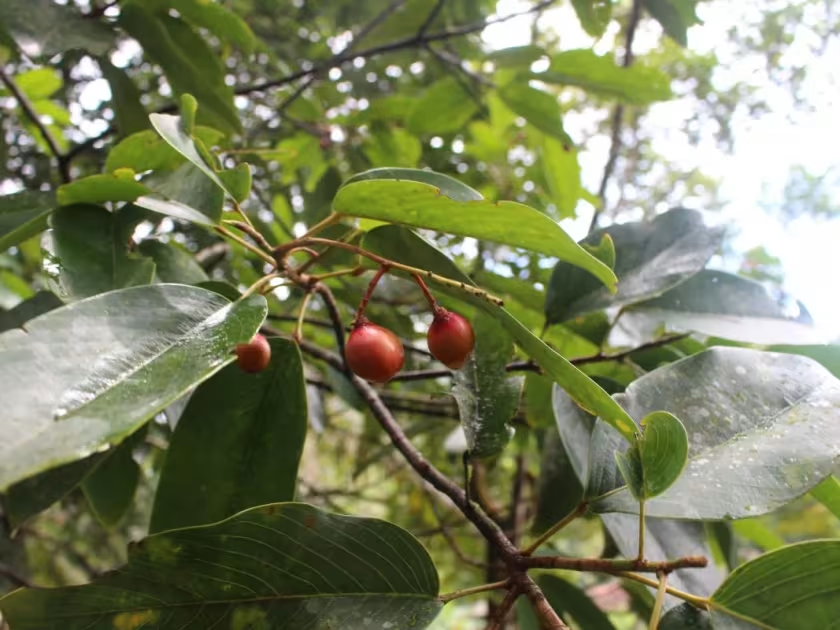
Description
Growing requirements
Bhesa ceylanica is an evergreen tree species classified within the Celastraceae family. This botanical entity is highly representative of the unique forest ecosystems found in tropical regions, specifically adapted to thrive under dense canopy conditions.
The geographic range of this species is primarily concentrated in the humid montane forests of Sri Lanka. Its existence is tied to specific elevation ranges where stable temperatures and consistent rainfall patterns provide the necessary moisture for continuous vegetative growth.
Successful development of this tree requires fertile, well-drained soil substrates that are rich in organic matter. Unlike many invasive species, Bhesa ceylanica is highly sensitive to soil compaction and waterlogging, necessitating specialized sites for optimal health and vigor.
Botanically, the tree features leathery leaves and a robust vascular system designed to handle the heavy transpiration typical of the humid tropics. The flowers are generally small and clustered, facilitating pollination through local insect vectors that inhabit the middle layers of the rainforest.
The economic utility of Bhesa ceylanica is mainly found in regional forestry practices. While it is not a major global commodity, its timber is valued locally for its structural properties, and the species plays a crucial role in maintaining the canopy architecture of its native habitats.