
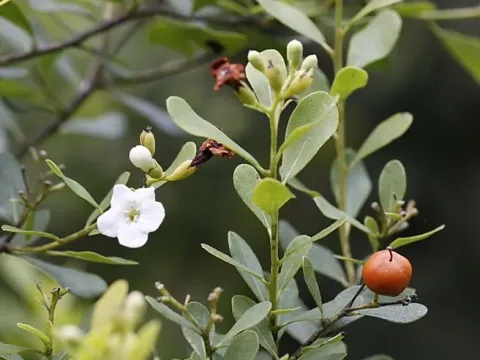
Beureria
Beureria
Beureria is a genus of evergreen trees and shrubs belonging to the family Boraginaceae. These plants are native to the tropical regions of the Caribbean, Mexico, and Florida, where they thrive in diverse ecological niches.
What the section contains

Beureria
To successfully cultivate Beureria, one must provide well-drained soil, preferably sandy or loamy in composition. The plant is remarkably salt-tolerant, making it an excellent choice for coastal landscape design.
Climate adaptation is essential, as the genus requires warm temperatures and full sun exposure. It is sensitive to frost and must be protected in regions where temperatures drop significantly during winter months.
Agricultural management involves a consistent watering regimen, ensuring that the soil remains moist but never waterlogged. Establishing proper drainage is critical for preventing root-related physiological disorders.
Routine fertilization with balanced nutrients during the active growth period promotes lush foliage and consistent flowering. Proper pruning techniques are necessary to maintain the plant's shape and structural integrity over time.
The primary threats to Beureria include fungal infections, which often occur due to poor air circulation or excessively high humidity levels around the foliage.
Scale insects and mealybugs are the most common pests, as they colonize branches and leaves to feed on plant sap, leading to stunted growth.
Root rot remains a concern in poorly drained substrates, necessitating the use of disease-resistant management strategies and correct watering habits.
Leaf spot diseases may appear on mature leaves; these are typically managed through proper canopy management and the application of fungicides when necessary.
Maintaining high plant hygiene by removing fallen debris and dead branches is an effective strategy for reducing the incidence of recurring pests and diseases.