
Beureria cumanensis
Beureria cumanensis
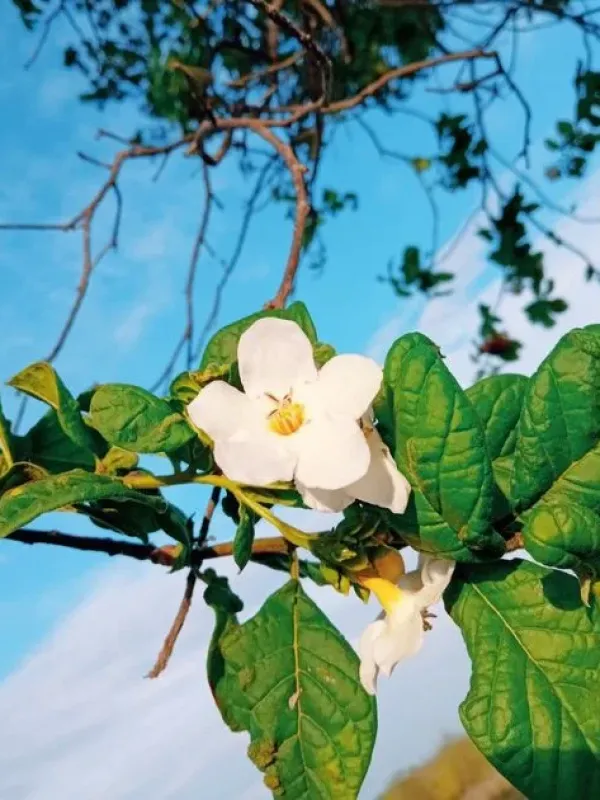
Description
Growing requirements
Beureria cumanensis is a plant species belonging to the Boraginaceae family. It is recognized as a woody perennial native to the tropical regions of the Americas, where it thrives in diverse ecological niches.
The culture requires a tropical climate characterized by constant warmth and high humidity. It is strictly non-frost tolerant, meaning that even short periods of cold temperatures can cause significant damage to the plant structure.
Soil requirements focus on high permeability and nutrient balance. The plant performs best in well-drained loamy soils, avoiding areas with heavy clay that might cause waterlogging and root rot.
As a light-demanding species, Beureria cumanensis must be planted in areas receiving direct sunlight for the majority of the day to ensure optimal photosynthesis and metabolic efficiency.
Agricultural management includes precise irrigation scheduling to match seasonal rainfall patterns, along with the application of balanced organic fertilizers to sustain growth in naturally nutrient-depleted tropical soils.
Harvesting
The primary economic use of this culture involves the harvesting of its dense, high-quality timber. The wood is valued for its specific grain and physical properties, which are suitable for specialized woodworking.
Harvesting strategies are typically focused on sustainability, ensuring that selective thinning or controlled logging practices are used to maintain the long-term viability of the stands.
Post-harvest processing involves mechanical drying techniques or traditional air-drying to remove excess moisture content, which prevents warping and enhances the structural integrity of the timber.
Secondary uses of the plant material include potential medicinal applications, requiring careful extraction methods to preserve the integrity of secondary metabolites present in the bark and foliage.
Due to the specific range of the species, harvesting is often managed at a local scale, focusing on maintaining the balance between economic output and the preservation of indigenous flora.