
Tien Shan birch
Betula tianschanica
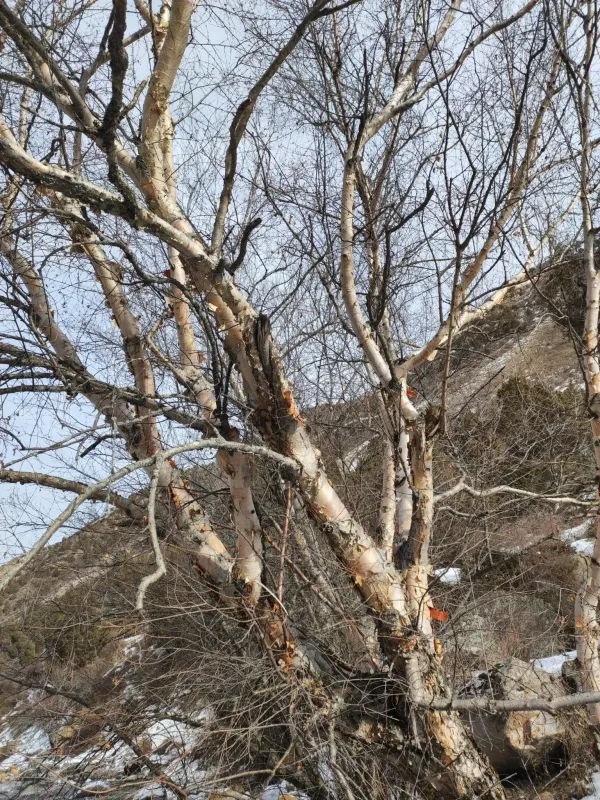
Description
Growing requirements
Tien Shan birch (Betula tianschanica) is a significant species belonging to the Betulaceae family. It is endemic to the high-altitude regions of the Tien Shan mountain range, where it thrives in diverse mountainous landscapes typically ranging from 1500 to 3000 meters above sea level.
This species is highly adapted to a cool, temperate climate. It demonstrates remarkable tolerance to extreme temperature fluctuations and harsh winter conditions, which are characteristic of its high-mountain habitat, ensuring its survival in areas with short growing seasons.
Regarding soil preferences, the Tien Shan birch requires well-drained, nutrient-rich soils. It shows a strong affinity for riparian environments and is frequently found along riverbanks and moist mountain valleys where soil moisture levels are consistently elevated.
Agricultural and silvicultural practices focus on maintaining the species' photophilic nature. In plantation settings, it is essential to provide adequate light exposure, as shade competition can severely inhibit the development of young saplings and reduce their overall vitality.
Economically, this species is vital for forest ecosystem services, particularly in erosion control and slope stabilization within fragile mountainous regions. Its timber is valued locally for construction and specialized woodworking applications due to its resilience and grain quality.
Main diseases and pests
The health of Tien Shan birch populations is often threatened by wood-decaying fungi. These pathogens typically target matured trees that have suffered from environmental stress or physical injuries, leading to trunk and root rot that compromise structural integrity.
Insect pests represent another primary concern. Defoliating insects, such as specific moth larvae and leaf beetles, can cause significant damage to the canopy during population outbreaks, leading to weakened trees and reduced annual growth increments.
Anthropogenic disturbances, particularly overgrazing, severely disrupt the natural regeneration cycle. Livestock browsing on seedlings and soil compaction significantly reduce the ability of the birch forest to expand or maintain its density in populated mountainous areas.
Water table fluctuations driven by climate shifts present a serious threat to the species. Prolonged periods of drought or changes in the hydrological regime of mountain streams can lead to widespread canopy dieback and tree mortality.
Proactive management strategies must prioritize forest health through regular sanitary assessments and the implementation of protective measures against grazing, ensuring that the ecological integrity of these mountain birch forests remains stable for future generations.