
Eastwood's birch
Betula eastwoodiae
Description
Growing requirements
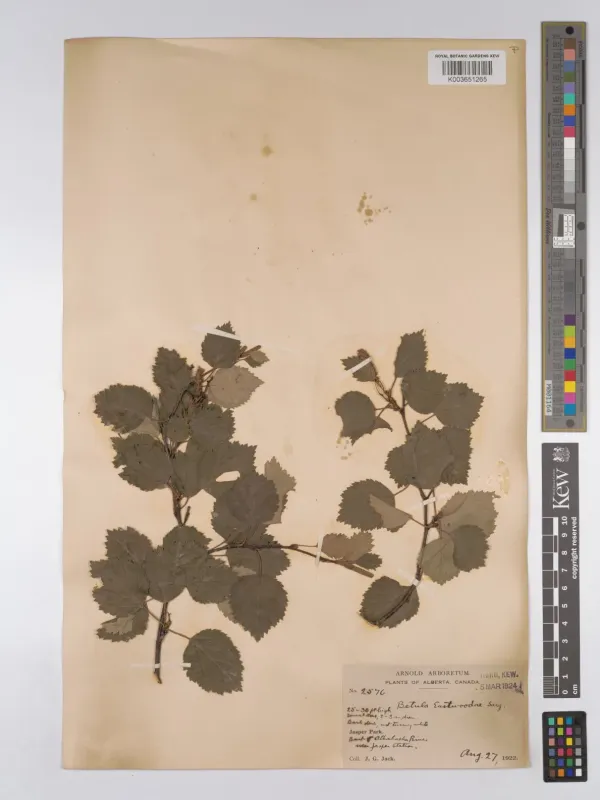
Eastwood's birch, botanically classified as Betula eastwoodiae, is a shrubby member of the Betulaceae family. It is native to the arctic and subarctic regions of North America, where it thrives in harsh, cold-dominated landscapes.
This species is well-adapted to poorly drained, acidic soils found in its native tundra habitat. Botanically, it is distinguished by its small leaves and characteristic shrub growth form, which allows it to withstand heavy snowfall and intense winds.
For successful cultivation, Betula eastwoodiae requires a cool climate with well-defined seasonal changes. It is particularly sensitive to heat stress, meaning it should be planted in cooler, shaded or semi-shaded areas to prevent leaf scorch and root overheating.
Soil management for this plant involves maintaining a low pH level, as it prefers acidic environments. Regular addition of organic matter, such as peat or pine needles, helps mimic the natural composition of its native habitat and supports root health.
In ornamental settings, Eastwood's birch serves as a unique specimen for rock gardens and northern landscape designs. Its slow growth rate makes it a low-maintenance choice for those looking to introduce native arctic species into their botanical collection.
Main diseases and pests
The primary threats to Betula eastwoodiae include fungal pathogens such as leaf rust and powdery mildew. These diseases are often triggered by improper air circulation around the shrub, which is why periodic thinning is recommended.
Insects like birch leaf miners and aphids can cause significant aesthetic damage. Integrated pest management strategies, focusing on early detection and the use of targeted biological controls, are highly effective in managing these pest populations.
Root rot is a major risk, especially when the plant is grown in areas with poor drainage or during exceptionally rainy seasons. Ensuring that the site allows for adequate water movement is the most effective preventative measure against soil-borne pathogens.
Climate change poses a long-term threat to the species, as rising global temperatures significantly impact the delicate ecological balance of its natural habitat. Preservation efforts are currently focused on maintaining genetic diversity in botanical gardens.
Mechanical damage from wildlife or improper pruning can lead to secondary infections. Always use sterilized tools when conducting maintenance pruning to prevent the transmission of pathogens into the vascular system of the birch.