
Dahurian birch
Betula dahurica
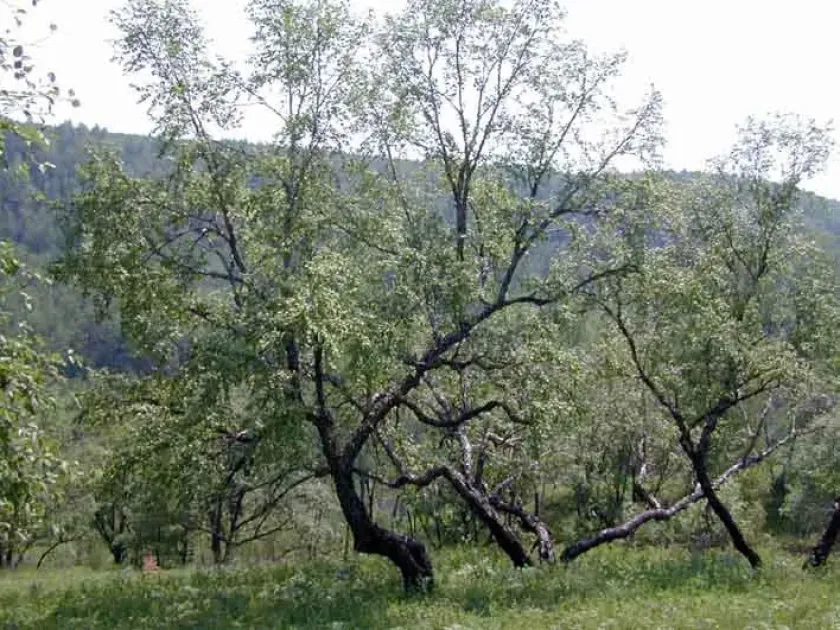
Description
Sowing dates
The propagation of Dahurian birch for forestry purposes is primarily carried out through seeds sown in autumn or early spring in prepared nursery beds.
Seeds require stratification if sown in the spring to maximize germination rates, ensuring a uniform and healthy stand of seedlings in the field.
The seeding depth should remain shallow, as the small seeds are highly sensitive to soil compaction and excessive covering, which can hinder emergence.
Modern nursery practices often involve containerized production, which allows for better root development and higher survival rates during the final outplanting process.
Young birch trees are highly photophilous and require clear spacing to ensure they receive adequate sunlight for optimal early-stage growth and development.
Growing requirements
Dahurian birch (Betula dahurica) is a member of the Betulaceae family, naturally occurring in the diverse climates of the Russian Far East, Korea, China, and Japan.
This species is well-known for its exceptional cold tolerance and hardiness, making it a reliable candidate for reforestation efforts in northern and temperate zones.
The tree performs best in well-drained, fertile loamy or sandy soils, although it demonstrates a remarkable ability to adapt to rocky and mountainous terrains.
Effective water management is vital; while the tree requires moderate moisture for growth, it does not tolerate long-term waterlogging or severe drought conditions.
As a light-demanding species, the Dahurian birch must be planted in open areas to avoid the growth stagnation associated with competition from canopy-forming trees.
Yield
The primary economic utility of Dahurian birch lies in its high-quality timber, characterized by significant hardness, density, and impressive resistance to decay.
Its wood is highly sought after in furniture manufacturing and fine joinery, thanks to its distinct grain pattern and ability to take on high-quality finishing.
Growth rates are moderate, meaning that reaching harvestable maturity requires careful long-term management and periodic thinning of the plantation stand.
Beyond industrial timber production, the species is widely appreciated in landscaping for its unique, peeling, dark bark which adds ornamental value to parks.
Effective plantation management, including selective logging and health monitoring, is necessary to ensure a consistent and high-quality supply of harvestable wood.
Main diseases and pests
Dahurian birch is susceptible to various fungal pathogens, particularly leaf spot diseases that thrive in humid environments with poor air circulation.
Insects, particularly wood-boring beetles and defoliators, represent a significant risk to plantation health and can severely damage the tree's vascular system.
- Flat-headed wood borers that tunnel into the sapwood.
- Various types of shelf fungi that invade trees with existing wounds.
- Aphids that weaken young shoots during the early stages of vegetation.
Sanitation practices, such as the removal of dead or infected timber, are essential to stop the spread of spores and pests throughout the cultivated area.
During the winter, protection against small mammals is recommended, as rodents often strip bark from young trees, causing fatal damage to the cambium layer.