
Betony
Betonica officinalis L.
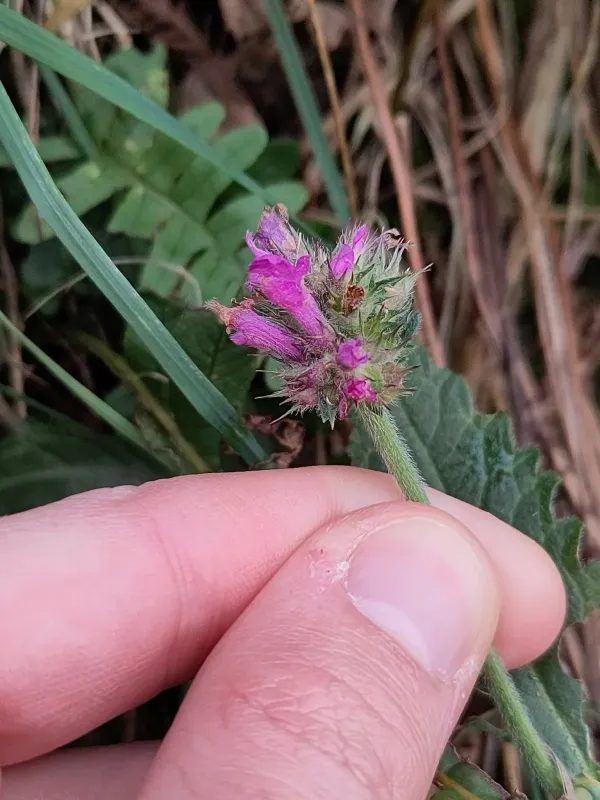
Description
Sowing dates
Betonica officinalis, commonly known as wood betony, is a perennial herbaceous plant belonging to the Lamiaceae family. It is typically propagated via seeds sown directly in the field.
The optimal sowing time is during late autumn or early spring when soil temperatures allow for steady germination. Seeds should be sown in rows spaced 40–50 cm apart for easier field management.
Seeds are small and should be planted at a shallow depth of approximately 0.5 to 1 cm. A firm seedbed is necessary to ensure good soil-to-seed contact and moisture retention.
Germination can be slow, requiring 2–3 weeks. Keeping the soil consistently moist during this period is essential for establishing a healthy stand of the medicinal crop.
Seedlings are thinned once they reach the two-leaf stage, leaving a distance of 30 cm between plants to allow for vigorous development and proper air circulation.
Growing requirements
Wood betony thrives in well-drained, fertile soil with a neutral to slightly acidic pH. It prefers sites with good exposure to sunlight but can also tolerate partial shade conditions.
The plant is highly hardy and adapted to temperate climates, showing excellent resistance to winter conditions. The ideal temperature range for vegetative growth is 18–22 degrees Celsius.
While the plant is relatively drought-tolerant once established, supplemental irrigation is beneficial during dry spells to ensure maximum foliage production and overall plant health.
Avoiding waterlogged conditions is crucial, as the root system is susceptible to decay if the soil structure does not allow for efficient drainage.
Applying compost or well-balanced organic fertilizers before planting provides the necessary nutrients for the crop to flourish throughout the growing season.
Yield
The primary harvest target is the aerial part of the plant, which is rich in biologically active compounds including flavonoids and tannins used in various industries.
Average annual yields vary based on environmental factors and crop age, typically ranging from 1.5 to 2.5 tonnes per hectare for dry medicinal raw material.
Plant productivity peaks during the second and third years. Consistent weeding and soil aeration during the early spring encourage more robust growth cycles.
Mechanical harvesting is feasible using standardized equipment, provided the cutting height is set to avoid damaging the crown of the plant, ensuring regrowth.
Post-harvest, the plants require immediate processing to preserve the concentration of active ingredients and maintain the quality standards demanded by the market.
Main diseases and pests
Typical pests affecting wood betony include aphids and various leaf-eating beetles that can damage the foliage and significantly reduce harvestable biomass.
Fungal diseases, such as powdery mildew, often occur during periods of high humidity and poor ventilation, leaving white patches on the leaves.
Root rot is a major threat caused by excessive soil moisture or compaction, which can lead to the rapid decline of the entire field population.
Integrated pest management, including crop rotation and the removal of plant debris, is the best strategy to maintain crop health without heavy pesticide reliance.
Early detection of infections is critical for successful control. Monitoring the crop weekly allows for timely intervention using biological fungicides or physical controls.
Harvesting
Harvesting should coincide with the peak flowering stage, as this is when the chemical profile of the plant reaches its optimum for medicinal extraction.
Harvest must be performed during dry, sunny weather. The collected plant material should be kept cool to prevent oxidation or fermentation before reaching the drying facility.
Drying is performed in dark, well-ventilated rooms or through industrial drying systems set at a maximum temperature of 40 degrees Celsius to avoid damaging oils.
Properly dried material is brittle and maintains its distinct green color and aroma. It should be screened for impurities before being packaged for long-term storage.
Storage facilities must be moisture-proof and kept in a cool, dark environment to prevent the degradation of essential phytochemicals over time.