
Bessey cherry
Prunus pumila L. var. besseyi (L. H. Bailey) Gleason
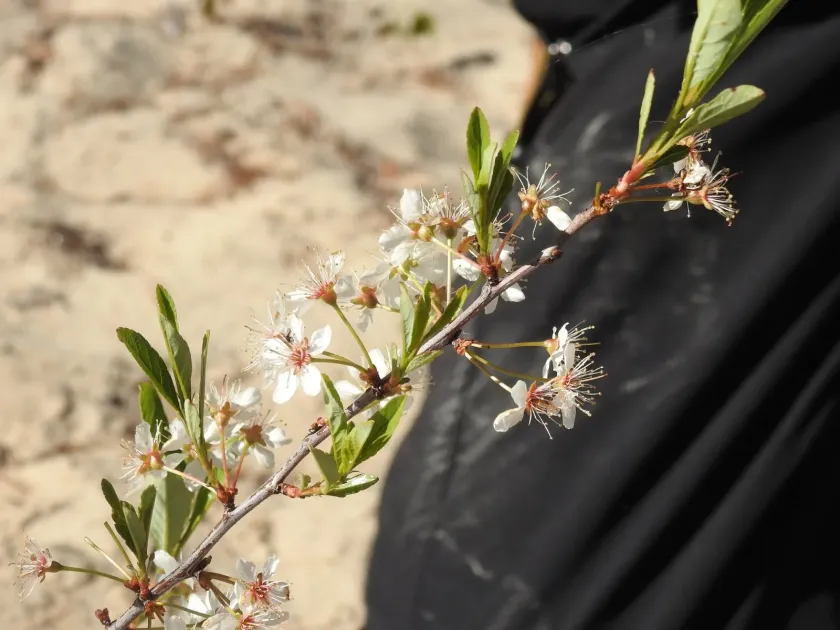
Description
Growing requirements
The Bessey cherry, scientifically known as Prunus pumila var. besseyi, is a hardy deciduous shrub belonging to the Rosaceae family. Native to the central United States and Canada, this plant is well-known for its exceptional cold tolerance and adaptability to harsh climates.
Botanically, it typically grows as a sprawling or upright shrub reaching a height of 1 to 1.5 meters. Its foliage is narrow and lanceolate, providing an attractive appearance that turns vibrant shades of red and purple during the autumn season.
This species thrives in well-drained, sandy, or gravelly soils, which is why it is commonly referred to as the sand cherry. It is extremely sensitive to waterlogged conditions, which can lead to root rot and other physiological disorders if the soil does not provide adequate drainage.
Full sun is a strict requirement for optimal growth and fruit production. In shaded environments, the plant becomes sparse and loses its productivity, making site selection a critical factor for success in the orchard or home garden.
Agronomic management involves regular pruning to stimulate fresh growth, as fruit is produced primarily on one-year-old wood. Maintenance also includes managing root suckers to prevent the shrub from spreading uncontrollably across the designated planting area.
Main diseases and pests
The most common disease affecting Bessey cherry is cherry leaf spot, or coccomycosis. It often leads to premature defoliation and can significantly weaken the bush if left unmanaged throughout the growing season.
Aphids are the primary insect pests that target the soft, growing tissues of the shoots. Their feeding can cause curling of the leaves and stunted development of the current season's growth, necessitating timely intervention.
Monilia blight, a fungal disease, can pose a risk during periods of high humidity and rainfall. Proper air circulation within the shrub canopy, achieved through thinning cuts, is essential for mitigating the spread of fungal spores.
Preventative measures include removing fallen leaves in the autumn, as these can serve as overwintering sites for fungal pathogens. Keeping the planting area clean and free of weeds also helps in maintaining the overall health of the shrub.
When selecting a planting site, avoid areas previously occupied by other Prunus species to reduce the risk of soil-borne pathogens. Integrating good cultural practices ensures the longevity and continued vigor of the Bessey cherry.