
Bergerocactus emoryi
Bergerocactus emoryi
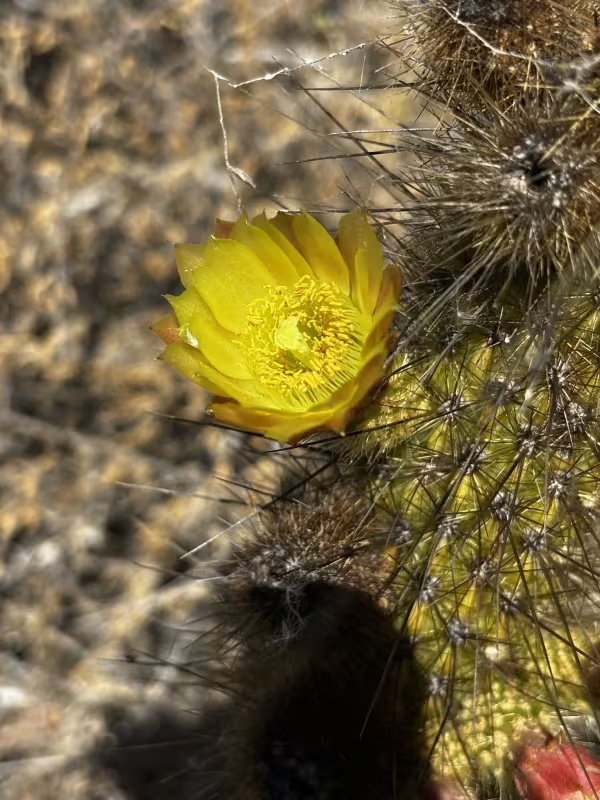
Description
Growing requirements
Bergerocactus emoryi, commonly known as the golden-spined cereus, is a fascinating member of the Cactaceae family. It is native to the coastal regions of Southern California and Baja California, where it forms dense, mounded clusters of columnar stems.
To cultivate this species successfully, it is essential to provide a well-draining, gritty soil mix. The plants thrive in sandy substrates that mimic their natural rocky habitat, ensuring that water passes through quickly to prevent root rot, which is the primary cause of plant death in cultivation.
The culture requires high levels of solar radiation to maintain its characteristic dense appearance and robust spine production. Placing the plant in a location with full, direct sunlight is crucial for healthy metabolic activity and structural integrity.
Temperature management should emphasize mild to warm conditions during the growing season, while allowing for a cooler dormant period during winter. The plant is naturally adapted to coastal breezes, meaning it requires excellent air circulation to discourage the buildup of excess humidity around its stems.
Irrigation must be handled with care, following the "soak and dry" method. It is safer to underwater than to overwater this species, as it possesses high drought tolerance. During winter months, irrigation should be significantly reduced or suspended to accommodate the plant's natural rest cycle.
Main diseases and pests
The most common threat to Bergerocactus emoryi is fungal rot resulting from waterlogged soil or poor ventilation. If the base of the stems turns mushy or discolored, immediate action, including repotting and fungicide treatment, is necessary.
Mealybugs are frequent pests that thrive in the protective cover of the plant’s dense spines. Because they are often hidden, manual inspection of the stem crevices is a mandatory practice for every grower to ensure early detection.
Spider mites can become an issue during hot, dry periods, leading to superficial damage and loss of color on the cactus epidermis. Regular misting or the use of appropriate acaricides can help manage mite populations if an infestation occurs.
Root-knot nematodes are another concern, particularly when using unsterilized compost. These pests can significantly stunt the growth of the plant by compromising its ability to uptake nutrients from the soil.
Effective management involves consistent hygiene in the nursery or garden space, the use of sterile growing media, and prompt application of integrated pest management strategies to keep the plant in optimal health.