
Snow bellium
Bellium nivale
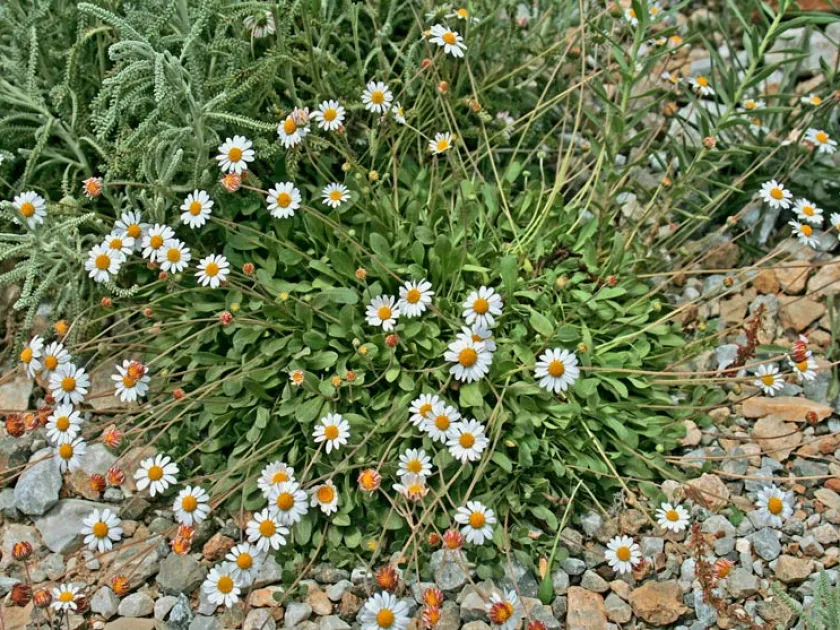
Description
Sowing dates
Sowing of Bellium nivale is primarily carried out in the spring, once the soil has warmed up to 15-18 degrees Celsius. The optimal time for outdoor sowing is April or May, allowing the plant to adapt before the onset of summer heat.
For seedling production, seeds are sown in containers in late winter or early March. The seeds are very small, so they should be distributed over the substrate surface and lightly covered with a thin layer of sand or vermiculite to ensure light penetration.
A crucial condition for successful germination is maintaining stable moisture levels in the sowing layer. Containers should be covered with clear plastic until the first shoots appear, with regular ventilation to prevent fungal pathogens.
When transplanting into open ground, plants should be spaced 10–15 centimeters apart. This provides sufficient area for nutrient absorption and prevents overcrowding in the beds.
In regions with mild climates, late autumn sowing is possible, provided a protective mulch layer is used. This method allows for earlier flowering in the following season.
Growing requirements
Snow bellium is a perennial herbaceous plant belonging to the Asteraceae family. It is a low-growing species frequently found in its natural habitat in the mountainous regions of the Mediterranean.
The crop has specific light requirements, preferring open, well-lit areas. Partial shade is acceptable; however, in deep shade, the plant loses its compactness and overall decorative appeal.
Regarding soil conditions, Bellium nivale has moderate requirements, preferring loose, well-drained substrates. A neutral or slightly alkaline soil pH is considered optimal.
The most important aspect of cultivation is preventing water stagnation around the roots. The plant does not tolerate waterlogging, so effective drainage using gravel or crushed stone is essential on heavy clay soils.
In temperate climates, the crop requires moderate watering during dry spells. The plant has good winter hardiness, but light cover with spruce branches is recommended during snowless winters.
Main diseases and pests
The greatest threat to bellium is posed by fungal diseases that thrive in high humidity conditions. These include various types of root rot and powdery mildew.
To prevent pathogen infection, it is necessary to follow a strict watering regime and avoid getting water directly on the leaf rosettes. Maintaining good air circulation around the plants is essential for health.
Among pests, slugs and snails are most common, as they may damage tender leaves during rainy weather. Control involves manual collection or the use of environmentally friendly traps.
Aphids can also attack young flower stalks during periods of active growth. If colonies are detected, appropriate insecticides or biological control methods should be employed.
Regular inspection of the beds and timely removal of dead plant parts can significantly reduce the risk of disease spread. Maintaining cleanliness in the garden is key to keeping the crop healthy.