
Bellium bellidioides
Bellium bellidioides
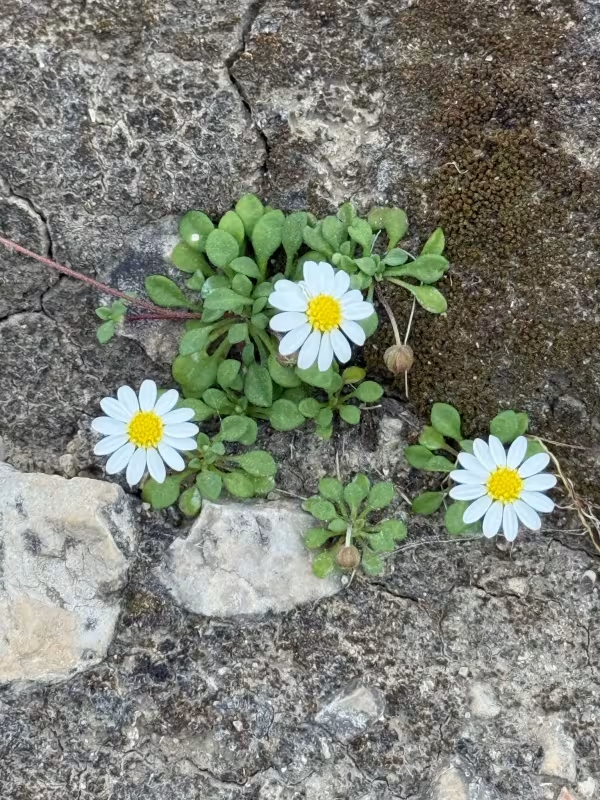
Description
Sowing dates
Sowing of Bellium bellidioides typically takes place in early spring, allowing the plants to establish a robust root system before the onset of summer heat and peak blooming season.
The seeds require light to germinate, so they should be sown on the surface of the growing medium and pressed gently rather than buried, as deep sowing inhibits the process.
Maintaining a constant, moderate temperature and high humidity during the first few weeks is crucial for uniform germination rates and healthy seedling development.
As a low-growing perennial, it is often sown in trays before being transplanted to outdoor locations, or directly into garden beds when used for landscape groundcover purposes.
The species demonstrates reliable self-seeding tendencies in favorable climates, which allows it to naturally maintain density in areas where it has been successfully established.
Growing requirements
Bellium bellidioides belongs to the Asteraceae family and thrives in well-drained, fertile soil, ideally with a neutral to slightly acidic pH level for optimal nutrient uptake.
It prefers sunny locations, although it can tolerate partial shade, particularly in warmer regions where direct afternoon sun may cause excessive stress and soil dehydration.
Regular moisture is necessary for sustained growth, but the soil must be well-drained because the roots are susceptible to rotting if exposed to prolonged waterlogging conditions.
The plant performs best when provided with moderate fertilization; a balanced, slow-release fertilizer applied at the start of the growing season is usually sufficient.
Due to its small stature, it is important to keep the area free of aggressive weeds, as Bellium bellidioides does not compete well with vigorous invaders in early growth stages.
Main diseases and pests
The most significant threats to this species involve high humidity issues, which can lead to fungal pathogens like powdery mildew or various forms of leaf spotting.
Root rot is a common occurrence if the irrigation schedule is too heavy or if the soil lacks sufficient aeration, necessitating a careful balance in water management.
Slugs and snails are the primary pests of concern, as they find the tender, succulent leaves of the rosettes to be an attractive food source during wet weather conditions.
Preventative cultural practices, such as ensuring adequate spacing between plants and keeping the foliage dry whenever possible, are highly effective in managing these risks.
If chemical interventions are needed, they should be applied with caution, favoring organic or targeted remedies that minimize harm to surrounding soil biology and beneficial insects.