
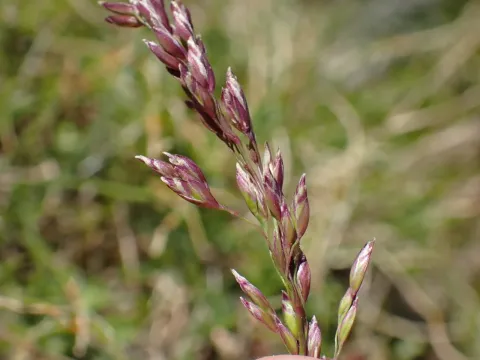
Bellardiochloa
Bellardiochloa
Bellardiochloa is a genus of perennial grasses belonging to the Poaceae family. These plants are typically found in alpine and subalpine environments, exhibiting significant structural adaptations to high-altitude climates.
What the section contains

Bellardiochloa
The native distribution of Bellardiochloa is primarily restricted to mountain ranges in Europe, such as the Alps and Apennines. It thrives in rocky, well-drained soils where competition from taller, more aggressive grass species is limited.
Botanically, the plant is characterized by a dense tufted habit, narrow leaf blades, and inflorescences adapted to wind pollination. This morphology is essential for survival in exposed areas with limited soil depth.
The species requires a cool climate and is exceptionally frost-tolerant. It performs best in well-drained, neutral to slightly alkaline soils. Waterlogging is detrimental to the root system, so slope position and drainage are critical factors.
In terms of agricultural use, Bellardiochloa serves as a valuable forage component in mountain grazing systems. Its ability to regrow after grazing and survive under low-nutrient conditions makes it an important resource for livestock.
The most common health issues for Bellardiochloa in the wild are fungal infections like rust and powdery mildew. These diseases are favored by the frequent mist and high humidity levels characteristic of mountainous regions.
Insect pests including cereal aphids and various grass-feeding moths can negatively impact plant vigor. These infestations are often cyclical and linked to annual climate fluctuations affecting the mountain ecosystem.
Overgrazing poses a significant threat to the plant's long-term sustainability. Intensive trampling by livestock can damage the crown and root structure, leading to localized soil degradation and loss of stand density.
Winter fungal pathogens, specifically those associated with snow mold, may affect the plant during transition periods between winter and spring. Good snow cover management and regulated grazing intensity can mitigate these risks.
To ensure healthy development, it is vital to avoid excessive nitrogen fertilization in natural areas, as this can encourage aggressive weed growth, potentially displacing native Bellardiochloa populations.