
Manilkara bidentata
Manilkara bidentata (A. DC.) A. Chev.
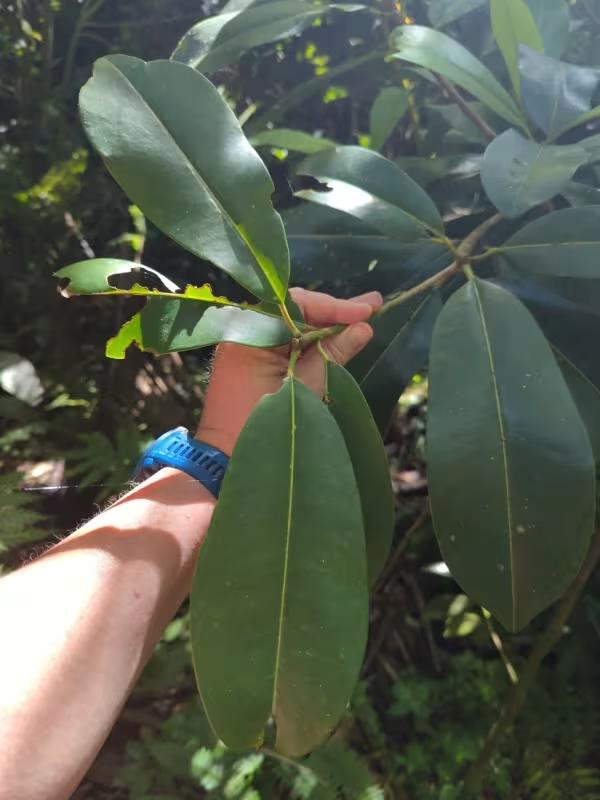
Description
Growing requirements
Manilkara bidentata, belonging to the Sapotaceae family, is a large evergreen tree native to the tropical regions of Central and South America. It is widely recognized for its ecological importance in rainforests and its economic value in forestry.
The tree thrives in tropical climates characterized by high humidity and consistent rainfall throughout the year. It requires deep, well-draining soils with adequate nutrient content to support its massive growth and biological functions.
Climate requirements include a stable temperature range with no exposure to frost, which is detrimental to the survival of this species. It performs best in environments that mimic its natural habitat within the lowland and montane rainforests.
Cultivation practices involve carefully selecting sites that offer sufficient protection from strong winds and intense direct sunlight during the early sapling stage. Proper spacing is crucial to prevent competition for light and nutrients as the canopy matures.
Management of these plantations requires a long-term strategy, as the tree exhibits a slow to moderate growth rate. Regular monitoring for soil moisture levels and nutrient availability is necessary to ensure optimal development of the timber.
Harvesting
Historically, the species was the primary source of balata, a non-elastic natural latex harvested through incisions in the bark. While its importance for industry has shifted, it remains a traditional forest product in many communities.
Today, the most significant economic product is the timber, commercially known as Massaranduba. It is one of the hardest and most durable woods in the world, often used as an alternative to teak in demanding environmental conditions.
The timber's resistance to rot, termites, and fungal decay makes it an ideal material for decking, pier construction, and heavy-duty structural applications. Its high density presents challenges during processing, requiring specialized woodworking machinery.
Sustainable harvesting is essential, as the slow growth rate of Manilkara bidentata necessitates careful management of forest resources. Certified plantations are becoming the primary source to ensure legal and environmentally sound production.
Harvesting strategies focus on selective logging of mature trees that have reached their full commercial potential. This approach helps in maintaining the forest structure while providing high-quality raw materials for international markets.