
Beach plum
Prunus maritima Marshall
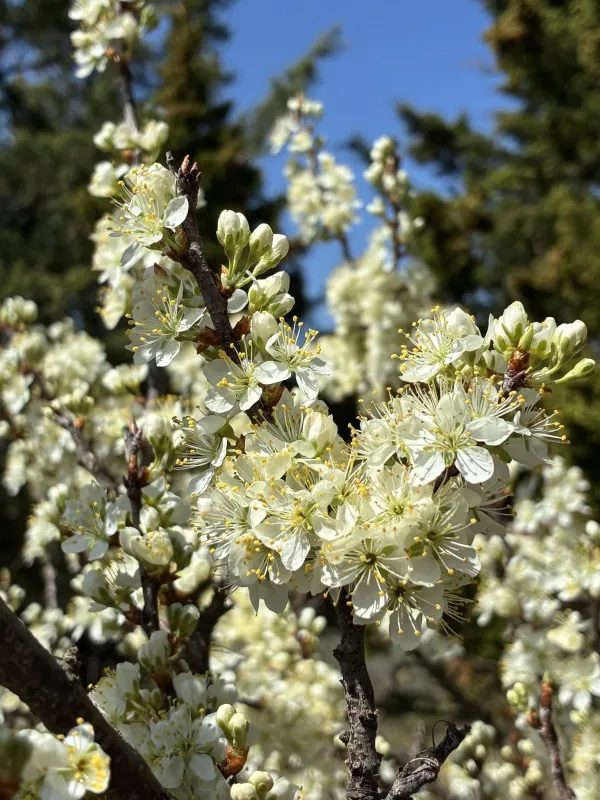
Description
Sowing dates
Propagation of the beach plum is most commonly carried out by seed, as the seeds possess high germination rates following a period of cold stratification. The optimal time for sowing seeds in open ground is autumn, before the first frost, ensuring natural cold stratification in the soil.
An alternative method is vegetative propagation using root suckers or stem cuttings. Cuttings are performed during the summer, utilizing soft green shoots treated with rooting hormones to increase the success rate of propagation.
Planting nursery-grown shrubs in their permanent garden location is recommended in early spring, before the onset of active sap flow. This timing allows the root system to adapt to new conditions before the intensity of summer heat begins.
When planting, it is crucial to follow spacing guidelines, as the plant tends to spread into dense thickets. A recommended distance between bushes is at least 2-3 meters to ensure adequate air circulation throughout the canopy.
Planting holes should be enriched with organic matter, such as well-rotted compost or manure, to stimulate the growth of the young root system during the initial years of establishment.
Growing requirements
The beach plum is a deciduous shrub from the Rosaceae family, native to the coastal regions of the northeastern United States. It is renowned for its exceptional tolerance to saline soils and strong winds, making it an ideal choice for seaside gardens.
The crop prefers well-lit sites receiving full, direct sunlight. Despite its inherent hardiness, plants grown in shady areas show reduced productivity and are more susceptible to fungal infections.
The plant is not overly demanding regarding soil type; however, it develops best in light, sandy, or loamy soils with excellent drainage. It successfully tolerates periodic drought due to a well-developed, deep taproot system.
The species possesses high frost resistance and can withstand significant temperature drops during winter. An important cultural requirement is to avoid standing water around the root zone, which can lead to crown rot.
Agrotechnical maintenance includes regular sanitary pruning to remove old, diseased, or damaged branches. Structural pruning helps maintain a bushy habit and improves accessibility to the fruit during harvest time.
Yield
Beach plum fruits are small, rounded drupes, with colors ranging from deep purple to bright red or yellow. They possess a characteristic tart and sweet-tart flavor, which becomes more balanced upon reaching full maturity.
Yield depends on the age of the bush and growing conditions. A mature plant can produce up to 5-10 kilograms of fruit per season with proper care and timely watering during dry spells.
The fruits are widely used in culinary applications, including the preparation of jams, jellies, and sauces. Due to high pectin content, jellies made from this plum exhibit excellent setting qualities.
Host use also includes landscape design applications, where the plant is used to stabilize sandy slopes and establish windbreaks. Its robust root system effectively prevents soil erosion.
In various culinary traditions, the fruit is valued for its high vitamin and antioxidant content, making it a nutritious addition to diets during the late summer and autumn seasons.
Main diseases and pests
The primary threats to beach plum are fungal diseases, such as brown rot (Monilinia) and cherry leaf spot (Coccomyces). The development of these diseases is facilitated by high humidity and dense canopy growth that limits airflow.
To prevent disease outbreaks, it is recommended to apply copper-based fungicides in early spring. It is vital to remove and dispose of fallen leaves and mummified fruit, which can harbor pathogen spores throughout the winter.
Among pests, the plum curculio and aphids present the greatest danger. The curculio damages the flesh of the fruit, reducing harvest quality and inviting secondary fungal infections.
Aphids attack young shoots, feeding on plant sap and causing leaf deformation. Management involves the use of biological insecticides or insecticidal soaps when infestation levels are low.
To minimize chemical impact on the plants, integrated pest management (IPM) strategies are preferred, including the promotion of beneficial insect habitats and maintaining high standards of garden hygiene.
Harvesting
Harvesting begins in late summer or early autumn, once the fruits have reached their characteristic variety-specific color and have softened slightly to the touch. Fruits do not ripen simultaneously, so multiple passes are often necessary.
When harvesting by hand, it is important to detach the fruit carefully, avoiding damage to the delicate skin, as this reduces the shelf life of the produce. Harvested fruit should be processed or cooled immediately.
If fruits are intended for short-distance transport, they should be picked just before full ripeness, while they still maintain firmness. Domestic storage is limited and is only viable under refrigeration for a few days.
In commercial operations, mechanical harvesting devices, such as limb shakers, may be used. However, for this specific species, manual harvesting remains preferable due to the brittle nature of the branches.
Following the harvest, the shrubs benefit from an application of potassium-phosphorus fertilizer to support winter hardiness and promote flower bud initiation for the following season.