
Barkeria lindleyana
Barkeria lindleyana
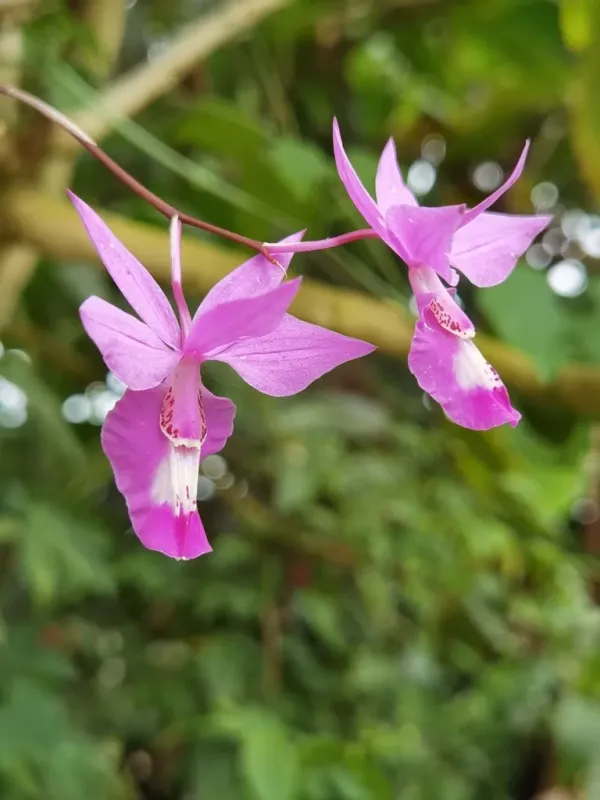
Description
Growing requirements
Barkeria lindleyana is a captivating epiphytic orchid species belonging to the Orchidaceae family. It originates from the tropical regions of Central America, primarily inhabiting the forests of Mexico, where it thrives on tree branches.
Successful cultivation of this orchid requires high levels of atmospheric humidity and excellent ventilation. These plants are accustomed to seasonal changes in moisture, so mimicking these cycles is essential for healthy growth.
Mounting the orchid on cork bark or hardwood is the preferred method of cultivation. This ensures that the roots receive ample airflow and dry out quickly between waterings, preventing the common issue of root rot.
The plant requires bright, filtered light throughout the year to produce vibrant blooms. Placing the orchid near a window with sheer curtains provides the necessary light intensity without risking leaf scorch during peak hours.
Temperature management is critical for the development of inflorescences. Providing a distinct drop in night temperatures during the autumn months is a key agronomic factor that triggers the plant to bloom successfully.
Main diseases and pests
Root and bulb rot are the primary threats to Barkeria lindleyana, often caused by stagnant water or a substrate that retains too much moisture. Maintaining a dry rest period is essential to prevent these fungal infections.
Pests such as mealybugs and scale insects frequently attack the leaves and pseudobulbs of this species. These pests deplete the plant's resources and can facilitate the transmission of viral diseases if left untreated.
Integrated pest management, including regular visual inspections and the use of neem oil or approved horticultural soaps, effectively manages most infestations in indoor conditions.
Viral infections, often spread by contaminated cutting tools, pose a serious threat to the longevity of the plant. Always sterilize blades using flame or alcohol before performing any maintenance or propagation work.
General hygiene in the growing space is crucial for minimizing the spread of pathogens. Keeping the foliage dry during evening hours and ensuring constant air movement reduces the likelihood of bacterial outbreaks.