
Barbosella porschii
Barbosella porschii
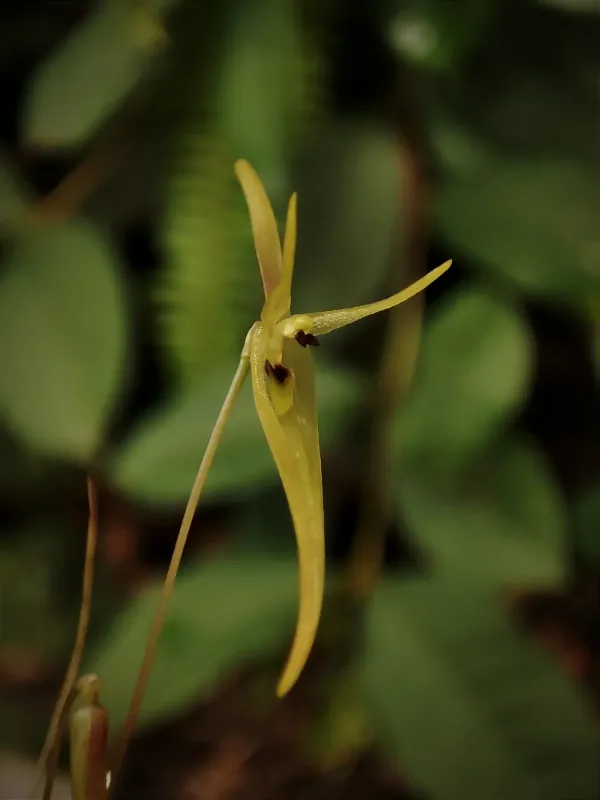
Description
Growing requirements
Barbosella porschii is a miniature epiphytic plant belonging to the Orchidaceae family. Naturally occurring in the high-altitude forests of South America, specifically in Brazil and Argentina, this species grows on tree branches and trunks.
The culture is characterized by its creeping growth habit, forming dense, moss-like mats. The small, single-leafed shoots grow closely together, creating a lush green surface that makes it a highly desirable species for orchid enthusiasts and collectors.
To successfully cultivate this orchid, one must maintain cool to intermediate temperature conditions. The plant is highly sensitive to excessive heat, requiring good air circulation and protection from direct sunlight throughout the summer months.
The preferred medium for growing Barbosella porschii is a mounting block made of tree fern or cork bark. This setup effectively mimics the plant's natural epiphytic lifestyle and ensures the roots have consistent access to oxygen.
Humidity requirements are exceptionally high, as this species lacks pseudobulbs to store water. Ideally, the ambient humidity should stay between 70% and 80%, though one must ensure that water does not remain trapped in the leaf axils for extended periods.
Main diseases and pests
The primary threats to this orchid are fungal diseases caused by poor ventilation and waterlogged substrate. Black rot and various bacterial leaf spots can quickly deteriorate the delicate tissues of the plant if the environment remains stagnant.
Among pests, spider mites and scale insects are the most problematic. Due to the miniature scale of the plant, these infestations are often difficult to detect during the early stages, making regular manual inspections essential for preservation.
To prevent pest outbreaks, maintain high humidity levels, as dry conditions facilitate the rapid proliferation of mites. If pests are detected, treat the plant promptly with specialized horticultural acaricides or insecticides.
The root system is sensitive to the buildup of mineral salts, meaning that hard water usage will lead to root dieback over time. It is strongly recommended to use only soft, purified, or rainwater for watering purposes.
Fertilization should be handled with extreme caution; use only highly diluted orchid fertilizers, typically at one-fourth of the standard strength. High salt concentrations in the medium can easily cause chemical burns to the sensitive root system.