
Barbilophozia lycopodioides
Barbilophozia lycopodioides
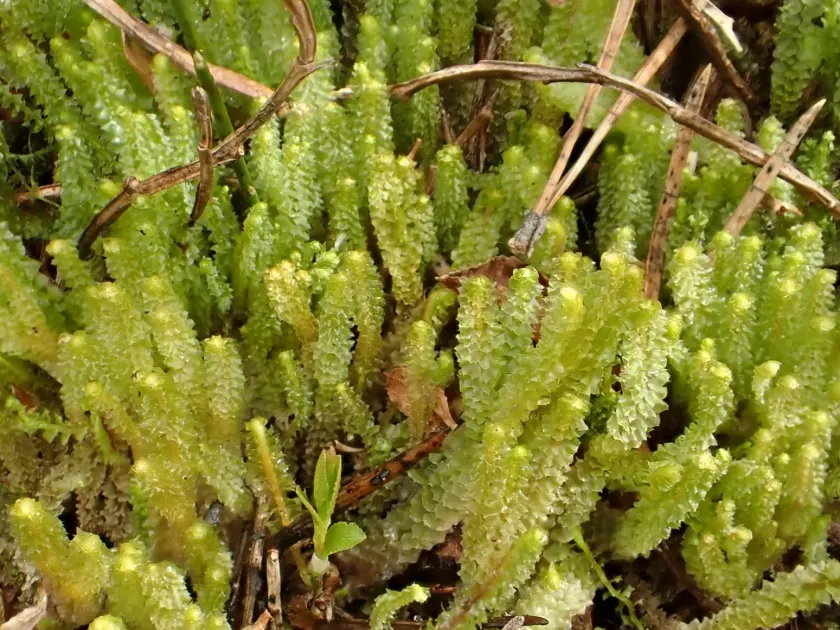
Description
Growing requirements
Barbilophozia lycopodioides is a species of leafy liverwort belonging to the family Jungermanniaceae. It is a non-agricultural bryophyte that serves as a vital component of the ground vegetation in boreal and mountainous forest ecosystems across the Northern Hemisphere.
Botanically, the species is characterized by its distinct, irregularly branched stems and leaves with ciliate-dentate margins, which provide it with a appearance reminiscent of clubmosses. This adaptation allows the plant to capture moisture from the air effectively.
The environmental requirements for this species are strictly tied to high humidity and stable, cool microclimates. It thrives in shaded areas, typically found on moist forest floors, decayed wood, or rocky substrates where competition from vascular plants is limited.
Soil preferences involve acidic, humus-rich organic substrates. The plant is sensitive to habitat fragmentation and drying, requiring consistent moisture availability throughout the growing season to maintain physiological functions and ensure successful reproduction.
While Barbilophozia lycopodioides is not a crop in agronomy, it is of significant ecological interest. It acts as a bio-indicator for old-growth forests and contributes to the stability of the forest floor, aiding in water retention and the decomposition of forest litter.