
Barbilophozia attenuata
Barbilophozia attenuata
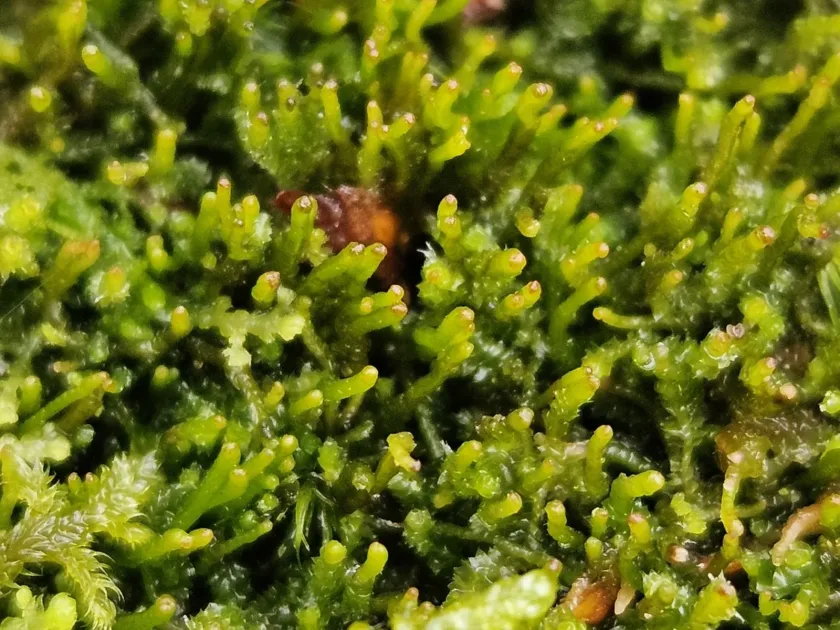
Description
Growing requirements
Barbilophozia attenuata is a liverwort belonging to the Jungermanniaceae family. As a non-vascular plant, it plays a vital role in forest floor ecosystems by stabilizing soil and maintaining the micro-humidity levels necessary for other forest species.
The plant thrives in cool, moist, and acidic environments. In a managed forest or experimental setting, it requires a substrate rich in organic matter, such as decaying logs or moist mineral soil, to establish healthy colonies that can persist over long periods.
Humidity is the most critical factor for its survival. Barbilophozia attenuata does not possess a complex root system to draw water from deep layers, meaning it relies entirely on ambient moisture and atmospheric humidity to maintain turgidity and active metabolism.
Shade management is essential for this species. It is highly sensitive to direct sunlight, which induces rapid transpiration and leads to tissue death. Providing a layered canopy is the primary agro-ecological strategy for maintaining this moss in specialized nurseries.
Regarding its utility, the species serves as a biological indicator for ecosystem health. Its presence suggests a stable microclimate and a lack of environmental pollutants, making it a focus of interest for conservation and forest management practices.
Main diseases and pests
The main threats to Barbilophozia attenuata include habitat fragmentation and the loss of natural forest cover. Changes in forest management practices that increase soil temperature or decrease canopy density can wipe out local populations in a short timeframe.
Atmospheric pollution, particularly nitrogen and sulfur compounds, poses a direct physiological threat to this liverwort. As a bryophyte, it lacks protective layers, making it highly susceptible to chemical stress and nutrient imbalances in the surrounding environment.