
Balakata luzonica
Balakata luzonica
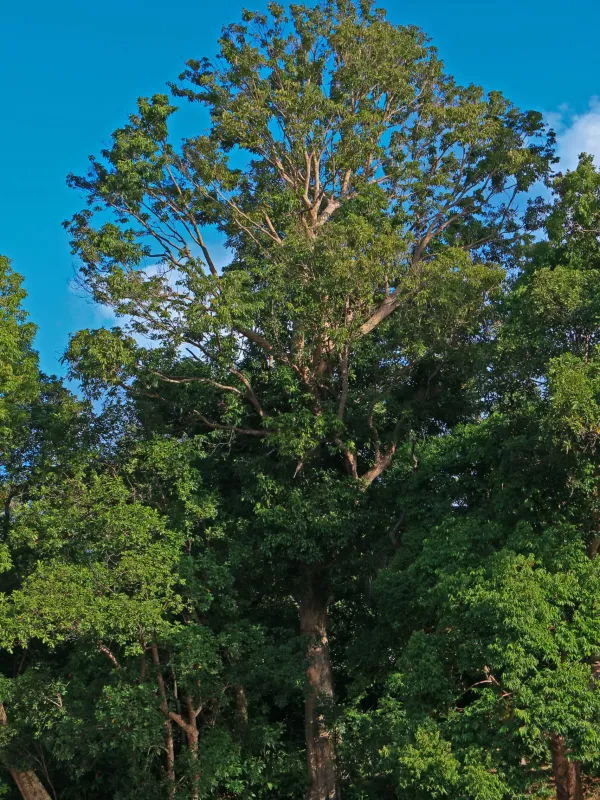
Description
Growing requirements
Balakata luzonica is a tree species belonging to the Euphorbiaceae family. It is recognized for its role in tropical forestry and its ability to thrive in specific warm-climate forest environments across Southeast Asia and its native distribution range.
The cultivation of this species requires a stable tropical climate characterized by consistently high temperatures and significant humidity. It lacks resistance to prolonged droughts, making irrigation or rainfall patterns crucial factors in its successful establishment.
Regarding soil conditions, the plant prefers well-drained, deep, and nutrient-rich substrates. It is sensitive to waterlogging, which necessitates careful site selection and the installation of effective drainage systems in regions with heavy seasonal rainfall.
Agricultural management involves meticulous silvicultural practices, including pruning and spacing control. These efforts ensure the development of a straight, high-quality trunk, which is essential for maximizing the value of the harvested wood in commercial forestry operations.
The primary utility of Balakata luzonica lies in its timber production. The wood is utilized for various industrial purposes, including furniture construction and local building applications, provided the trees are harvested at an appropriate maturity age.
Main diseases and pests
Common threats include various tropical insect pests that can defoliate seedlings and saplings during early growth stages. Integrated pest management strategies are often required to maintain plantation health and ensure survival rates.
Fungal diseases are prevalent in high-humidity areas, particularly where canopy ventilation is inadequate. Maintaining proper spacing and removing diseased debris are vital practices to minimize the impact of pathogens within the forest stands.