
Balakata baccata
Balakata baccata
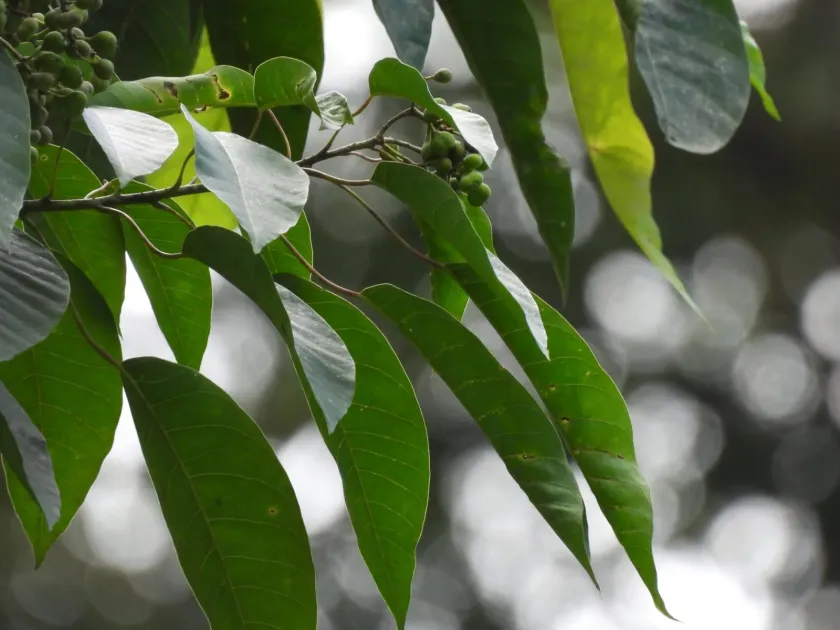
Description
Growing requirements
Balakata baccata is a distinct plant species belonging to the Euphorbiaceae family. It is native to the tropical regions of Southeast Asia, where it thrives in lush, humid environments and dense canopy structures.
Regarding climate requirements, this species demands high humidity and a consistent temperature range characteristic of tropical rainforests. It is generally intolerant of frost and requires protection from extreme weather conditions to maintain optimal health.
The soil requirements for Balakata baccata involve well-drained, fertile substrates that are rich in organic matter. While the plant can adapt to various soil types, maintaining a steady moisture level while preventing waterlogging is essential for root system development.
Botanically, the species is recognized for its woody habit and its role in pioneer vegetation successions. It demonstrates a significant growth rate when exposed to sufficient sunlight, allowing it to regenerate effectively in disturbed forest areas.
Effective agrotechnical practices for this plant include careful canopy management and appropriate spacing to ensure airflow. In plantation settings, soil enrichment through sustainable mulching practices helps support the plant's nutritional requirements.
Yield
The economic utility of Balakata baccata is primarily concentrated in the forestry sector, where it is valued for its wood production. Yield estimates vary based on site quality, with intensive management practices significantly enhancing biomass accumulation over time.
Additionally, the plant is increasingly studied for its ecological benefits, including soil stabilization and ecosystem restoration. Sustainable harvesting methods are employed to ensure that the ecological balance of the plantation area is maintained alongside production.
Main diseases and pests
Primary threats to Balakata baccata include various fungal pathogens that flourish in high-moisture conditions, leading to root rot and leaf blight. Proper spacing and site drainage are critical mitigation strategies for these botanical pathogens.
Insect pests such as sap-sucking insects and specialized borers pose a risk to the growth of young trees. Integrated pest management, focusing on biological controls and regular monitoring, is recommended to safeguard the long-term viability of the cultivation site.