
Baikiaea insignis
Baikiaea insignis
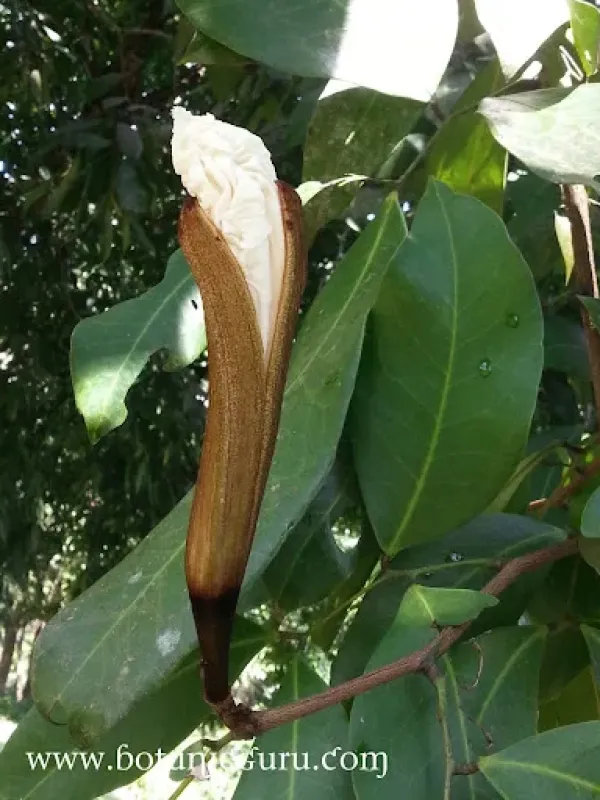
Description
Growing requirements
Baikiaea insignis is a large, evergreen tree belonging to the Fabaceae family. Native to the tropical regions of Africa, this species thrives in humid lowland forests and riverine environments where moisture levels are consistently high throughout the year.
The climate requirements for this species are specific: it demands high temperatures with minimal seasonal fluctuation and heavy, reliable rainfall. It is not cold-hardy and requires a protected environment to thrive, especially during the early stages of its growth.
Regarding soil, Baikiaea insignis prefers deep, fertile, and well-draining substrates. The plant is sensitive to waterlogged conditions, which can lead to root system decay. A rich organic soil profile is necessary to support its vigorous growth habit.
Agricultural management requires careful attention to spacing to ensure adequate light and air circulation. As a member of the legume family, it can contribute to soil fertility, but it requires balanced fertilization to reach its full productive potential in plantation settings.
The wood produced by Baikiaea insignis is highly valued for its density and durability. It is primarily utilized in high-end cabinetry, flooring, and structural construction where resistance to wear and biological decay is essential for the longevity of the final product.
Main diseases and pests
Fungal pathogens represent the primary threat to the health of Baikiaea insignis, particularly those targeting the root collar and bark. Moist, stagnant conditions create an ideal environment for these pathogens to thrive and cause significant damage.
Various wood-boring insects pose a substantial risk to plantation crops. These pests tunnel into the trunk and branches, severely compromising the structural integrity of the wood and providing entry points for secondary bacterial and fungal infections.
Leaf-eating larvae can cause significant stress to trees if infestations are left unchecked. Regular monitoring of the canopy is essential to detect early signs of insect activity and to initiate mitigation strategies before extensive defoliation occurs.
Improper site selection is a common management error that leads to stunted growth and increased susceptibility to disease. If the soil drainage is inadequate, the root system fails to develop properly, making the tree prone to wilting and pathogens.
Preventive measures include strict sanitation practices, such as the removal of dead wood and the use of resistant planting stock. Maintaining a diverse ecosystem around the plantation can also help balance populations of potential insect pests through natural predation.