
Backebergia militaris
Backebergia militaris
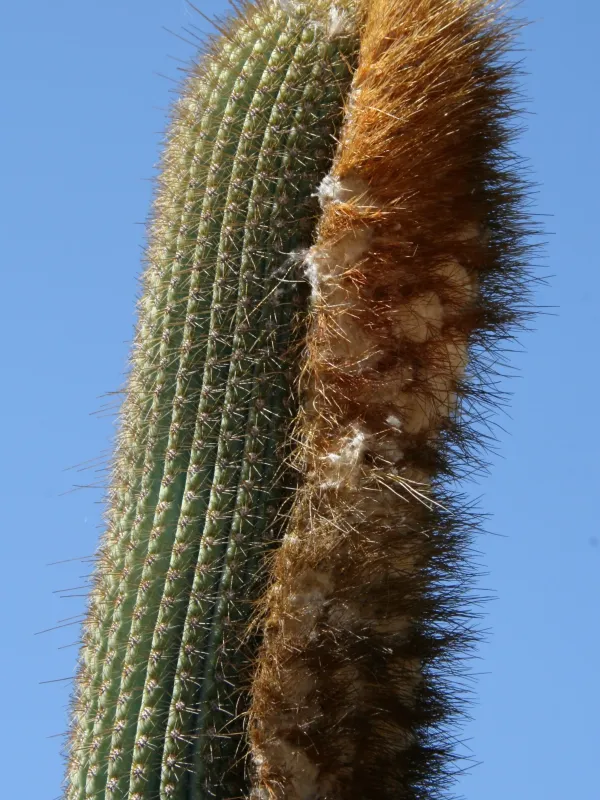
Description
Sowing dates
Propagation of Backebergia militaris is primarily achieved through seeds. The sowing process should be initiated in early spring to take advantage of the increasing daylight hours, which are essential for seedling development.
A well-draining mineral substrate is required for successful germination. A mix containing horticultural sand, perlite, and a small amount of peat is considered optimal for initial growth stages.
Seeds should be surface-sown and barely covered with a fine layer of sand. Maintaining a humid microclimate is necessary during the first few weeks, usually provided by a clear plastic cover or a greenhouse.
Optimal germination temperatures range from 25 to 28 degrees Celsius. Constant monitoring is required to prevent the substrate from drying out while simultaneously avoiding waterlogging, which promotes fungal growth.
Seedlings are slow-growing and require patience. Once they develop their first characteristic spines, they can be gradually acclimated to lower humidity levels and eventually transplanted into individual pots.
Growing requirements
Backebergia militaris is a fascinating species within the Cactaceae family, native to the arid regions of Mexico. It is known for its columnar growth and the development of a unique cephalium.
High light intensity is critical for this species. To maintain its natural form and prevent etiolation, it should receive several hours of direct, unfiltered sunlight every day, especially during the active growth phase.
The soil must be highly porous. A classic cactus mix consisting of loam, coarse gravel, and crushed volcanic rock ensures that water passes through quickly, preventing the roots from suffocating.
A distinct winter dormancy period is required for the plant to thrive. During this time, temperatures should be lowered to 10-15 degrees Celsius, and water should be withheld almost entirely to simulate a natural dry season.
Proper airflow is as important as light. Stagnant air environments can lead to humidity pockets that attract pests or promote rot. Ensuring ventilation around the plant is key to its long-term health.
Main diseases and pests
Root rot remains the most significant threat to this species. It is almost exclusively caused by overwatering or using soil that retains moisture for too long, leading to irreversible decay of the root system.
Mealybugs are common pests that hide in the crevices of the ribs or near the base of the plant. They are difficult to detect early on and require vigilant monitoring of the plant's surface.
Red spider mites can infest the skin of the cactus during periods of extreme heat and dryness, causing scarring and discoloration. Regular misting or the use of specific acaricides can prevent infestations.
Fungal pathogens such as Pythium and Phytophthora can attack the plant if hygiene is neglected. Always use sterilized pots and tools to minimize the introduction of harmful microorganisms.
As a preventive measure, growers should avoid splashing water onto the epidermis of the plant, as this can cause sun-scorch or promote infection through micro-abrasions on the cactus skin.