
Nile acacia
Vachellia nilotica (L.) P. J. H. Hurter & Mabb.
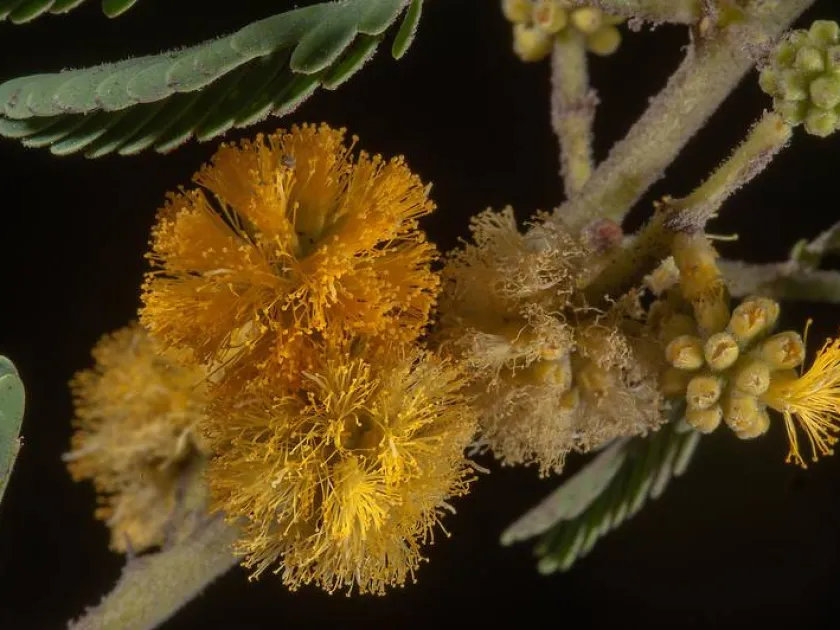
Description
Sowing dates
The propagation of Nile acacia is typically achieved through seeds, which require mechanical scarification or hot water treatment due to their hard, impermeable coat.
Sowing is best performed at the beginning of the rainy season to ensure that young seedlings have sufficient soil moisture to establish their root systems.
In nursery conditions, seeds should be planted in well-drained containers with a substrate temperature kept consistently between 25 and 30 degrees Celsius.
Transplanting should occur when the humidity is high, as this significantly reduces transplant shock and promotes faster growth in the permanent location.
Spacing for plantations should be managed carefully, usually ranging from 2x2 to 3x3 meters, depending on whether the intended use is for timber or fodder.
Growing requirements
Nile acacia, belonging to the Fabaceae family, is a highly resilient species adapted to arid and semi-arid environments across tropical regions.
The tree thrives in heavy clay, alluvial, and even saline soils, exhibiting remarkable tolerance to periodic waterlogging and prolonged drought conditions.
Neutral to slightly alkaline soil pH levels are preferred, supporting the nitrogen-fixing properties that make this tree valuable for soil improvement.
It is an obligate heliophile, meaning it requires full, direct sunlight to develop a healthy canopy and maintain vigorous growth rates throughout its lifecycle.
A deep and extensive taproot system allows the tree to tap into subsurface water reserves, providing it with exceptional survival capacity during dry seasons.
Yield
Nile acacia provides dense, high-quality timber that is highly resistant to decay and insect attack, making it suitable for construction and tool handles.
The bark is a significant source of high-quality tannins used extensively in the leather tanning industry, offering a sustainable commercial product.
The tree produces gum arabic, a valuable exudate used globally in the food, pharmaceutical, and printing industries as a stabilizing agent.
Foliage and seed pods serve as an essential protein-rich fodder for goats, sheep, and cattle, especially critical in regions where grass is scarce.
By fixing nitrogen in the soil, Nile acacia acts as a natural soil fertilizer, helping to boost the yield of various associated agricultural crops.
Main diseases and pests
Seed-boring beetles, particularly bruchid species, pose a major threat by consuming seeds and drastically reducing germination rates in stored crops.
Young plants are susceptible to aphids and other sap-sucking insects that can stunt growth and introduce viral or fungal pathogens into the tissue.
Root rot and collar rot can occur if soil drainage is insufficient, often appearing in nurseries where humidity is too high and air circulation is poor.
Stem borers can cause significant structural damage to the wood, potentially leading to the death of the tree if infestations are left unchecked.
Regular monitoring and the prompt removal of infected or damaged plant material are the best practices for maintaining the health of an acacia stand.