
Aztekium ritteri
Aztekium ritteri
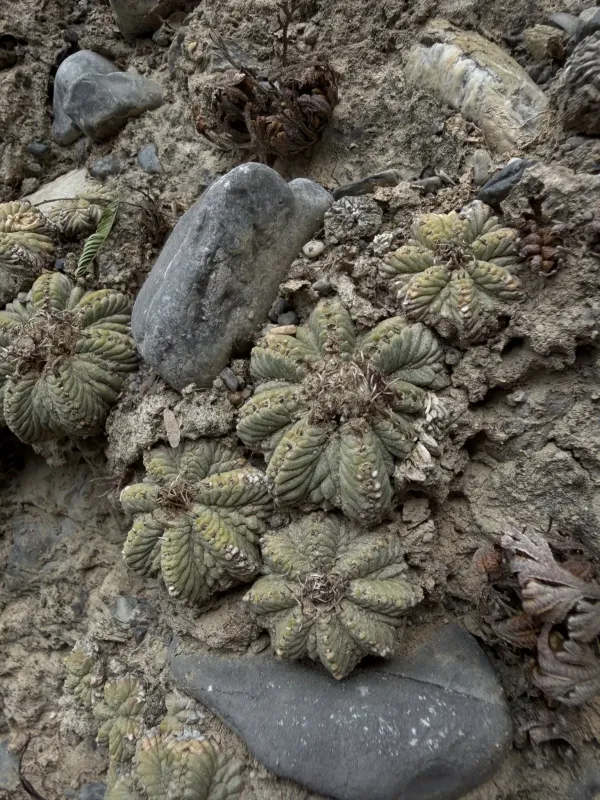
Description
Growing requirements
Aztekium ritteri is a highly specialized cactus species from the Cactaceae family, known for its extremely slow growth rate and unique, wrinkled stem structure. It is native to the steep limestone cliffs of Nuevo León, Mexico, where it grows in harsh, nutrient-poor conditions.
Successful cultivation requires a strictly mineral-based substrate that mimics the plant's native habitat. A mix comprising crushed limestone, grit, and very little organic matter is essential to ensure excellent aeration and drainage for the sensitive root system.
The plant thrives in bright, filtered light. While it tolerates sun, intense midday exposure in artificial environments can scorch the epidermis. Proper air circulation is critical, as it prevents the buildup of humidity around the dense, grooved stem.
Watering must be approached with extreme caution. During the growing season, water should be applied only when the substrate is completely dry. In winter, the plant must be kept bone-dry at temperatures between 5°C and 10°C to induce dormancy and ensure long-term health.
Repotting should be performed rarely, as this cactus is easily stressed by root disturbance. When necessary, it is best done in the early spring using a dry, clean mineral mix to avoid introducing pathogens into the soil environment.
Main diseases and pests
Root rot caused by excess soil moisture is the primary killer of Aztekium ritteri. Once moisture stagnation occurs, the roots decay rapidly, often leading to the collapse of the stem base, making recovery nearly impossible.
Mealybugs are a significant pest for this species, as they tend to nest deep within the intricate folds and ridges of the plant. Because the cactus is so small, manual inspection and treatment with systemic insecticides are necessary to prevent infestations from spreading.
Spider mites can also be problematic if the ambient air remains too hot and dry for prolonged periods without ventilation. Regular, careful inspection of the crevices is recommended to detect any signs of webbing or damage to the skin of the plant.
Fungal pathogens can colonize the plant if water remains trapped in the deep grooves of the cactus. Keeping the apex of the plant dry during any occasional overhead misting—though usually not recommended—is crucial for disease prevention.
Maintaining a strictly sterile environment for both the soil and the plant is the best defense against pests and diseases. Always ensure that any added soil components, such as limestone or sand, are heat-treated or sanitized before usage.