
Austromyrtus tenuifolia
Austromyrtus tenuifolia
Description
Growing requirements
Austromyrtus tenuifolia, commonly known as the narrow-leaved myrtle, belongs to the Myrtaceae family. It is an evergreen shrub native to the coastal regions of eastern Australia, where it naturally thrives in forest margins and well-protected woody habitats.
This species requires well-draining, slightly acidic soil rich in organic matter. In a cultivation setting, it is essential to provide a substrate that retains moisture without becoming waterlogged, as the roots are highly susceptible to decay in stagnant water conditions.
Climate requirements include a frost-free environment with consistent warmth during the growing season. While it can handle partial shade, the plant performs best in locations with high ambient light levels, which encourages denser foliage and healthier growth cycles.
Agrotechnical management involves regular, moderate irrigation and periodic fertilization with specialized fertilizers designed for acid-loving or myrtle-family plants. Pruning is essential to maintain the desired shape and promote bushy growth, particularly in container specimens.
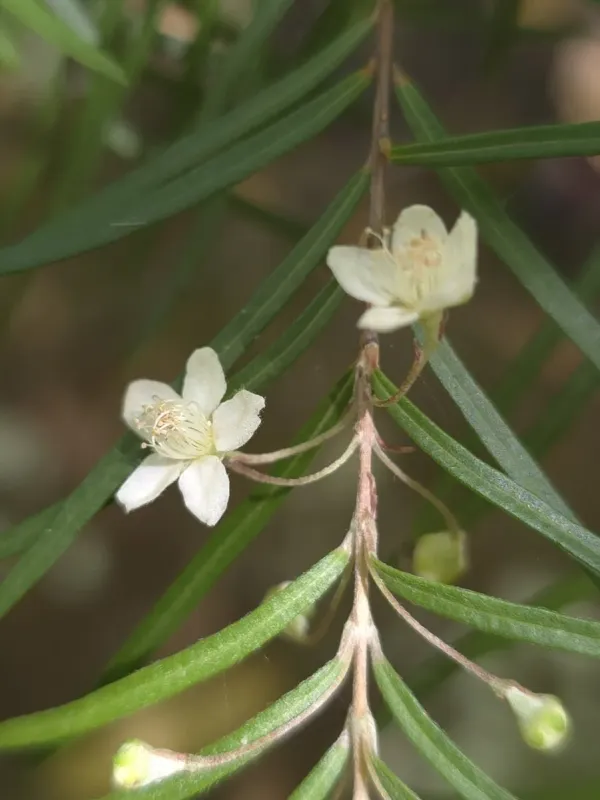
Botanically, Austromyrtus tenuifolia is distinguished by its fine, needle-like leaves that are highly aromatic. The plant produces small, white flowers that are typical for the family and often result in small, decorative berries, adding significant aesthetic value to the shrub.
Main diseases and pests
Common threats to this species include fungal infections such as root rot, which typically occurs due to poor soil drainage or excessive irrigation. Ensuring adequate airflow around the canopy is a critical preventive measure against most foliage-based fungal diseases.
Pests such as scale insects and spider mites are frequent adversaries, particularly when the plant is kept in indoor environments with low humidity. These pests feed on sap, which can significantly weaken the shrub and lead to secondary issues like sooty mold.
Effective management strategies include the application of horticultural oils or systemic insecticides when infestation is confirmed. It is crucial to treat the plant in its early stages of infestation to prevent the pests from spreading to the rest of the collection.
Disease prevention also includes monitoring environmental conditions, specifically ensuring that humidity levels do not remain excessively high during cooler periods. Proper hygiene, such as removing fallen leaves from the pot surface, is vital for sanitation.
Regular visual inspections of the stems and leaf undersides are recommended as part of routine maintenance. Early detection remains the most effective way to manage potential threats and ensure the long-term vitality of this beautiful Australian native shrub.