
Austromyrtus
Austromyrtus hybrids
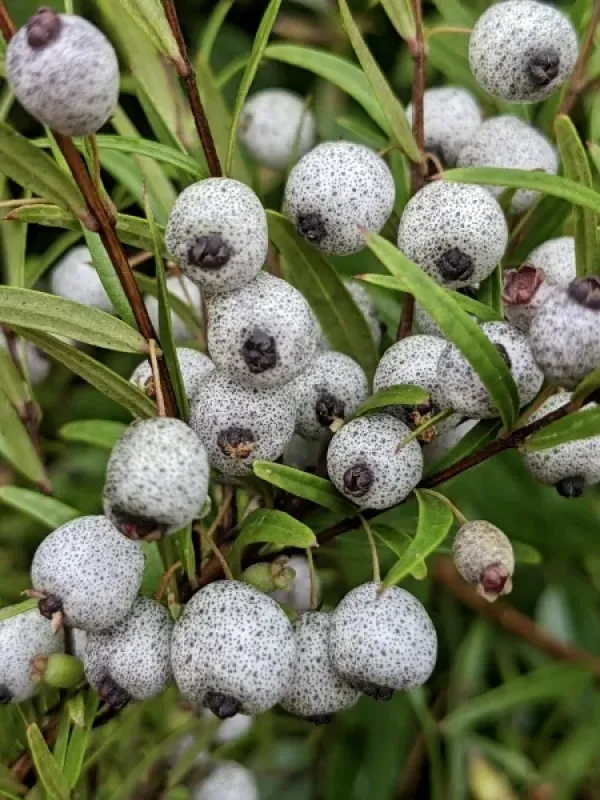
Description
Growing requirements
Austromyrtus is an evergreen ornamental shrub belonging to the Myrtaceae family. Known for its lush foliage and beautiful flowers, it serves as an excellent addition to gardens and container collections, prized for its aesthetic appeal.
Native to Australia, this plant thrives in subtropical climates. It is adapted to environments where moisture is consistent, and temperatures remain relatively stable throughout the year, avoiding extreme frost.
The plant requires well-draining soil that is rich in organic matter. Proper soil structure is essential, as the roots are sensitive to waterlogging, which can quickly lead to physiological stress or total plant failure.
Light requirements are significant for Austromyrtus. It prefers bright, indirect light but can handle partial shade in hotter climates to prevent leaf scorching. Maintaining proper light levels ensures dense growth and vibrant foliage color.
Agricultural management involves regular pruning to maintain shape and encourage new growth. Fertilisers should be applied during the growing season to provide necessary nutrients for flowering and leaf development.
Main diseases and pests
Root rot is the most significant threat to Austromyrtus, typically caused by overwatering or poor soil drainage. Ensuring that the substrate dries out slightly between watering cycles is a critical preventive measure.
Pests such as spider mites and scale insects are common problems, especially in indoor or greenhouse settings where air circulation might be limited. Regular monitoring is essential to detect infestations early.
Fungal infections can occur if the foliage remains wet for extended periods in humid conditions. Providing good airflow around the plant is one of the most effective ways to mitigate this risk.
Integrated pest management, including the use of systemic insecticides or biological controls, is recommended for controlling persistent pest populations that might threaten the plant's health.
General hygiene, such as removing fallen leaves and pruning dead branches, helps in reducing the habitat for potential pathogens and maintains the overall vigor of the Austromyrtus specimen.