
Austromyrtus glabra
Austromyrtus glabra
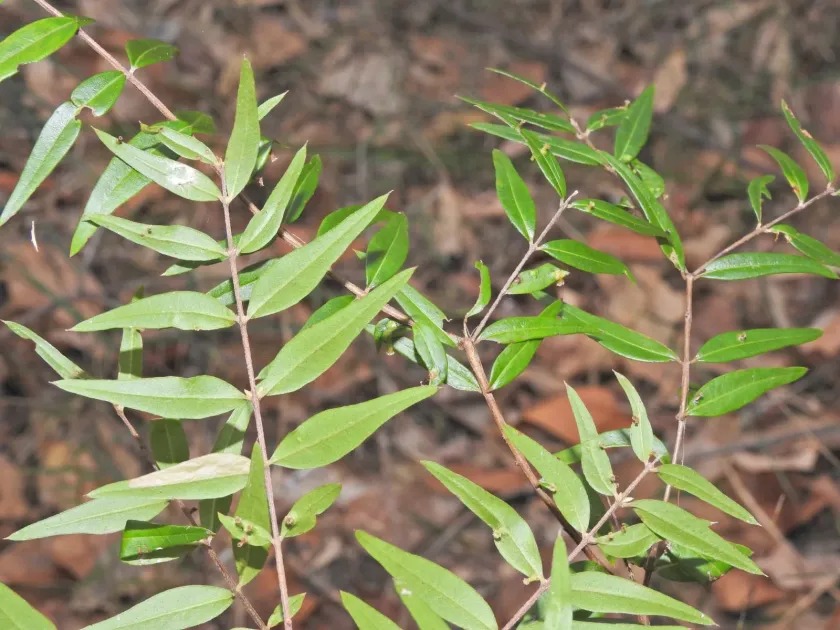
Description
Growing requirements
Austromyrtus glabra is an evergreen shrub belonging to the Myrtaceae family. Native to the coastal regions of Australia, this plant is well-adapted to humid environments and typically grows in diverse bushland ecosystems, characterized by high levels of biodiversity.
The plant thrives in nutrient-rich, well-draining soil with a pH ranging from slightly acidic to neutral. In professional cultivation, soil structure is paramount; it should prevent waterlogging while retaining enough moisture to sustain the plant during active growing periods.
Climate requirements for this species are specific, as it prefers mild, frost-free environments. When grown outside its natural habitat, it requires protection from extreme cold and strong, desiccating winds that can cause leaf scorch and branch tip dieback.
Proper irrigation management is critical for the health of Austromyrtus glabra. Deep, consistent watering is preferred over frequent shallow sprinkling, which encourages root development and helps the plant establish resilience against seasonal climate fluctuations.
Regular maintenance includes pruning to promote dense growth and maintain the desired shape. This practice is essential for hedging, as it encourages branching and improves overall plant architecture, making the shrub more visually appealing and manageable.
Main diseases and pests
Like many species in the Myrtaceae family, Austromyrtus glabra can be susceptible to fungal leaf spots if airflow is restricted. High humidity combined with poor ventilation creates an ideal environment for pathogens that can compromise the plant's aesthetic value.
Pest pressures may include scale insects or aphids, which tend to congregate on the undersides of leaves. Regular monitoring and, if necessary, the application of horticultural oils or organic soap solutions are effective strategies for managing these common garden threats.
Harvesting
The primary utility of Austromyrtus glabra lies in its extensive use for decorative purposes. It is highly valued as a hedging plant, a topiary specimen, or as part of a mixed border, adding year-round greenery with its dense, glossy foliage.