
Atrichum tenellum
Atrichum tenellum
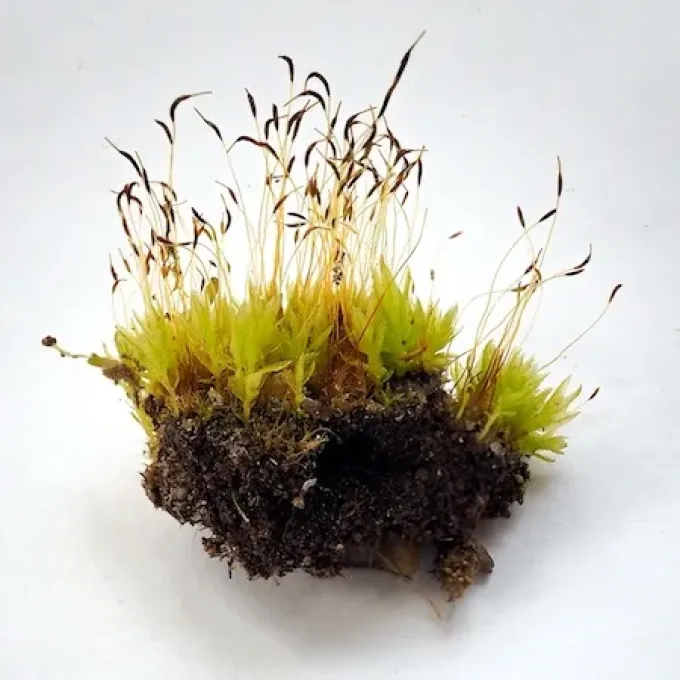
Description
Growing requirements
Atrichum tenellum belongs to the Polytrichaceae family and is a distinctive moss species recognized for its delicate, dark green structure. Unlike traditional crops, it is primarily studied in the context of bryology and environmental monitoring.
This moss typically grows in loose turfs on moist, shaded, and often acidic soil. It is frequently found in woodland environments, along the edges of forest trails, and on the banks of small, undisturbed streams.
High relative humidity and consistent soil moisture are essential for the survival of this species. It lacks a complex vascular system, relying instead on its specialized leaf structure to absorb water and nutrients directly from the air and substrate.
The species prefers sites with moderate, diffused light levels. Exposure to direct sunlight is typically detrimental, as it causes rapid desiccation and damages the photosynthetic tissues of the gametophyte.
Atrichum tenellum thrives in cool, temperate microclimates where temperatures remain stable. Its presence in a habitat often serves as a biological indicator of healthy, non-disturbed soil moisture cycles.
Main diseases and pests
The primary threat to Atrichum tenellum populations is habitat loss driven by the modification of local water tables. Drainage projects and climate-driven drought cycles significantly reduce available habitat.
Environmental pollutants, including atmospheric deposition of sulfur and nitrogen, can alter soil pH levels, making the environment unsuitable for the sensitive reproductive stages of this moss.
Physical disturbance is a major limiting factor. Areas with high foot traffic or intensive machinery use suffer from soil compaction and the mechanical destruction of the fragile moss carpet.
Invasive species and rapid changes in forest canopy cover can outcompete Atrichum tenellum, leading to a decline in population density due to changes in light availability and nutrient competition.
Pathogenic organisms, particularly fungi, can cause localized dieback under conditions of stagnant air and excessive moisture, which prevents proper gas exchange and leads to rot within the dense turf layers.