
Atrichum angustatum
Atrichum angustatum
Description
Growing requirements
Atrichum angustatum is a species of moss within the Polytrichaceae family. This perennial plant is widely distributed across temperate regions of the Northern Hemisphere, often found in woodland ecosystems.
The plant thrives in moist, shaded environments. It is frequently observed colonizing bare, acidic soil along paths, embankment slopes, and under forest canopies where the humidity remains consistently high.
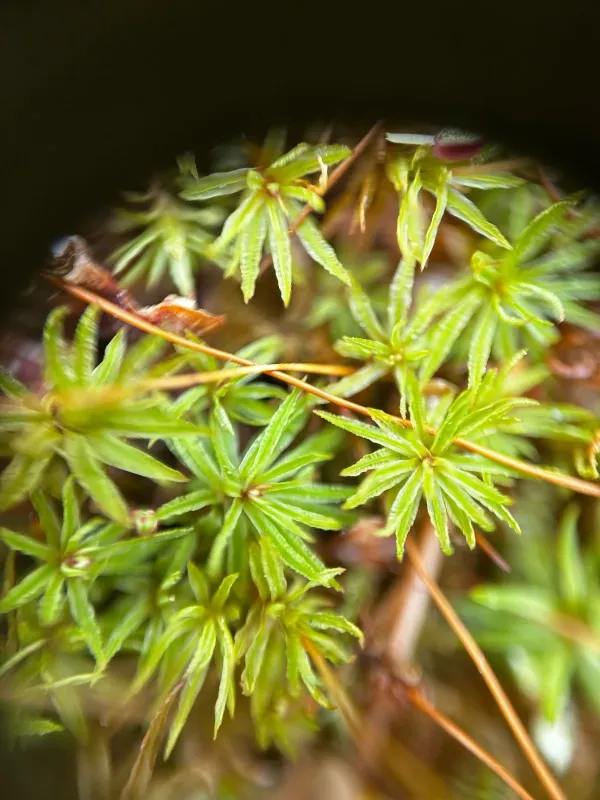
Botanically, this species is characterized by its narrow, linear-lanceolate leaves that exhibit significant curling behavior when dehydrated. Its stems are relatively short and form compact patches that can vary in color from deep green to brownish.
Climatic requirements involve stable cool to moderate temperatures and high atmospheric humidity. It cannot tolerate prolonged direct sunlight or dry, arid conditions, as it lacks a complex vascular system to transport water over long distances.
Horticultural applications include its use in terrarium setups, vivariums, and shade-tolerant landscapes. It is valued for its ability to create a dense, naturalistic moss cover that mimics temperate forest floors.
Main diseases and pests
Habitat disturbance remains the primary threat to this moss. Activities that cause compaction of the soil or drastic changes in local hydrology lead to rapid population decline in natural areas.
Pathogenic fungi can become a problem in enclosed cultivation environments where ventilation is poor. Excess moisture combined with lack of airflow encourages the growth of gray mold and other decay organisms.
Pests, although uncommon, include small soil-dwelling invertebrates and gastropods that may feed on the delicate leaf tissue, especially in nursery or terrarium settings.
Environmental pollutants are a significant threat. As an organism that absorbs water and nutrients directly through its leaves, it is highly sensitive to air pollution and the presence of heavy metals.
Long-term maintenance requires avoiding chemical fertilizers, which can easily burn the moss, and ensuring that irrigation water is soft and slightly acidic to match its native forest environment.