
Atrichum crispum
Atrichum crispum
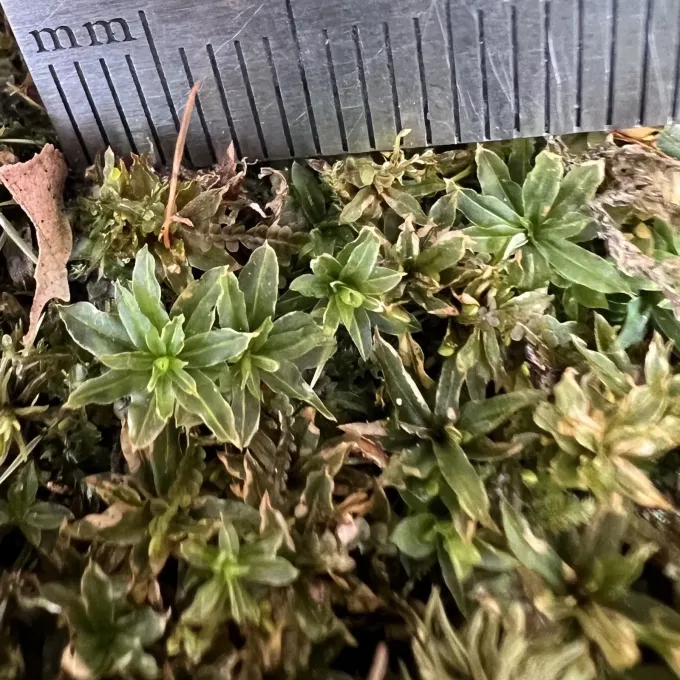
Description
Growing requirements
Atrichum crispum is a perennial moss species belonging to the Polytrichaceae family. While not a traditional crop in the agricultural sense, it is increasingly cultivated for specialized landscaping, terrarium setups, and biological monitoring projects where pristine environmental conditions are essential.
This species thrives in high-moisture environments, typically found in shaded forest margins, along stream banks, and in humid, sheltered depressions. Successful cultivation requires a strictly controlled microclimate where humidity levels remain consistently high throughout the growing season.
The substrate must be rich in organic matter and maintain an acidic to neutral pH level. A well-draining yet moisture-retentive substrate, such as a mix of peat and fine loam, is recommended to ensure the rhizoids have sufficient anchorage and moisture access without becoming waterlogged.
Temperature management is critical for the survival of this moss. It performs best in temperate climates, showing significant growth when temperatures remain within a stable range of 15°C to 22°C. Avoiding thermal shocks and protecting the plants from freezing winds during winter is advisable for nursery stocks.
Cultivation practices involve fine-mist irrigation systems that mimic natural humidity. When establishing new colonies, practitioners typically use vegetative fragmentation, spreading small moss cushions across prepared surfaces to encourage natural spread and integration.
Main diseases and pests
Fungal pathogens are the primary biological threat to Atrichum crispum, particularly when the substrate lacks adequate aeration. Prolonged saturation can trigger mold outbreaks that lead to rapid degradation of the moss colonies.
Slugs and snails are the most common pests that pose a threat to the foliage. These mollusks can cause significant damage to the delicate leaf structures, necessitating the use of perimeter barriers or physical removal in enclosed nursery environments.
Salt accumulation from poor-quality irrigation water can inhibit growth and lead to physiological distress. It is essential to use soft water or filtered rain water to maintain optimal health and prevent the development of chlorotic spots on the moss.
Competition from higher-order vascular plants often poses a challenge in outdoor installations. These plants can outcompete the moss for resources and light, requiring routine maintenance and weeding to keep the colony pure.
Extreme environmental stress, such as direct exposure to harsh, unfiltered UV light or prolonged desiccation, can lead to the permanent browning of the plants. Recovery from such stress is slow, making preventative shade management essential.