
Ateleia gummifera
Ateleia gummifera
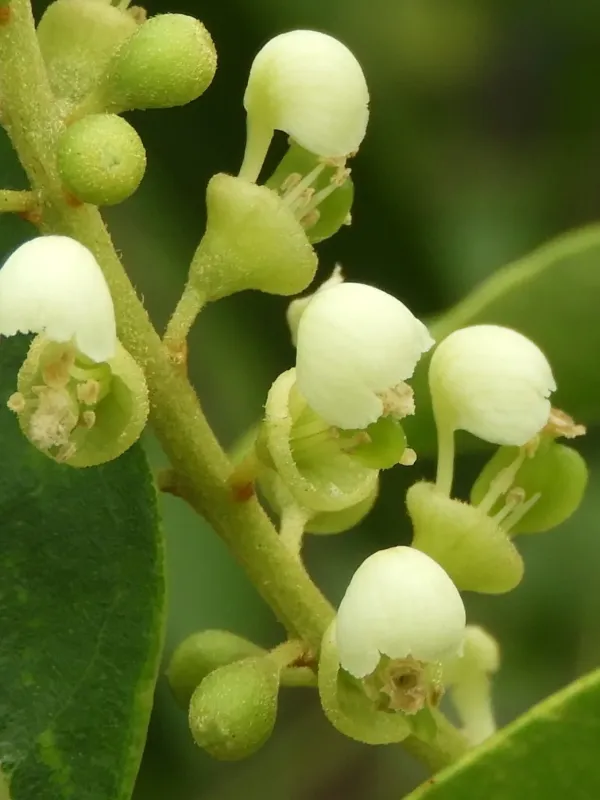
Description
Sowing dates
Ateleia gummifera is typically propagated through seeds, which require careful handling due to their hard, impermeable seed coats. Scarification or soaking in warm water is essential to break dormancy and ensure uniform germination.
Seeds should be sown in well-draining nursery containers using a mix of sand and peat. This medium prevents fungal issues while providing enough nutrients for the initial development of the seedling.
Optimal germination occurs in warm, humid conditions with temperatures ranging from 24 to 28 degrees Celsius. Providing indirect sunlight during the early stages of growth is crucial for establishing healthy, non-stressed plants.
When seedlings reach a height of approximately 40 centimeters, they are ready for hardening off. This transition period allows the plants to adapt to environmental stressors before being transplanted into the permanent site.
Correct spacing is vital for the development of a straight trunk, which is essential for high-quality timber production. Planting should occur at the onset of the rainy season to minimize the need for supplemental irrigation.
Growing requirements
As a member of the Fabaceae family, Ateleia gummifera is adapted to tropical environments where sunshine is abundant. It thrives in open, sunny locations and is intolerant to heavy shade, which hinders its growth rate and trunk development.
The tree prefers deep, well-aerated soils that allow for extensive root penetration. While it can survive on relatively nutrient-poor soils, improved yields are observed in areas with good organic content and neutral pH levels.
Climate requirements include a stable, frost-free environment with a distinct wet and dry season. Excessive soil moisture combined with poor drainage poses a significant risk of root-related pathogens and overall decline.
Biological nitrogen fixation is a key feature of this species, allowing it to improve soil fertility over time. This makes it a valuable component in agroforestry systems aimed at soil restoration and sustainable land use.
Management practices should focus on maintaining tree density that balances growth rate with the quality of the harvested wood. Periodic thinning of young stands helps to allocate resources to the most vigorous specimens.
Main diseases and pests
Like many tropical timber trees, Ateleia gummifera is susceptible to various wood-boring insects if the trees are stressed or wounded. Regular health monitoring is recommended to ensure early detection of infestations.
- Root rot caused by Phytophthora species in waterlogged soils.
- Stem borers that compromise structural integrity.
- Leaf spot diseases during prolonged periods of high humidity.
- Termite damage to the bark and outer sapwood.
Preventative measures include maintaining tree health through proper fertilization and avoiding mechanical injuries during silvicultural activities. Removing infected branches or individual trees is often necessary to contain spreading outbreaks.
Soil management plays a crucial role in disease prevention; ensuring adequate drainage is the most effective way to protect the root system from fungal pathogens. Healthy, fast-growing trees are generally better equipped to resist local pests.
Harvesting
Harvesting Ateleia gummifera is a long-term undertaking that requires selecting trees based on maturity and diameter. The timber is prized for its density, durability, and fine texture, making it suitable for high-end cabinetry.
Sustainable harvesting involves selectively removing mature trees while leaving smaller ones to continue growth. This method maintains forest cover and protects soil from erosion, which is critical in tropical plantation areas.
Post-harvest processing involves careful drying to prevent warping, given the density of the wood. Using appropriate kiln-drying techniques ensures that the final product maintains its stability and quality over time.
The bark of the tree has been historically utilized for its resinous properties, though modern harvest practices prioritize wood production. Collectors are encouraged to practice non-destructive tapping methods when resins are required.
The final wood product is used in specialized carpentry where strength and finish quality are paramount. Proper management of the harvest cycle ensures that the plantation remains productive for future generations.