
Ateleia glazioviana
Ateleia glazioviana
Description
Growing requirements
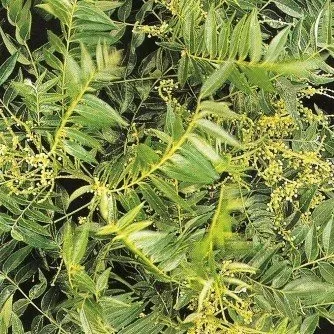
Ateleia glazioviana is a species of flowering plant belonging to the Fabaceae family. This tree is native to the South American continent, specifically being a part of diverse forest ecosystems in Brazil.
Botanically, it exhibits typical characteristics of leguminous plants, including specialized symbiotic relationships with nitrogen-fixing bacteria. This feature allows the tree to thrive in various soil types within its natural distribution range.
The plant requires specific climatic conditions, favoring tropical environments with consistent warmth and adequate light levels. It demonstrates a notable ability to adapt to soil variations, although well-drained ground is essential for optimal health.
Cultivation practices focus on mimicking its natural habitat to encourage growth. It is primarily managed in agroforestry systems where it contributes to soil fertility and provides structural diversity to the landscape.
In terms of usage, the wood of Ateleia glazioviana is traditionally employed for local construction and high-quality artisan crafts. Beyond timber, the species is valued for its ecological contribution to forest canopy stabilization.
Main diseases and pests
The primary threats to Ateleia glazioviana involve the rapid loss of its natural habitat due to agricultural expansion. Fragmentation of the forest leads to restricted pollination and reduced genetic exchange between populations.
Common biological threats include various lepidopteran larvae that feed on foliage during the wet season. Fungal pathogens affecting the vascular system can also pose a significant risk, especially in low-light, dense stand environments.
Soil-borne diseases such as root rot represent a danger if the plant is grown in areas with poor drainage or stagnant water. Preventive measures include ensuring proper plant spacing and avoiding overcrowding.
Climate change effects, such as prolonged drought periods, may increase the vulnerability of young trees to opportunistic pests. Agroforestry managers often implement water conservation techniques to mitigate these risks.
Conservation efforts are currently focused on seed banks and nursery propagation to stabilize the population numbers. Protecting these trees is crucial for maintaining the biological integrity of the regions where they naturally occur.