
Asparagus umbellatus
Asparagus umbellatus
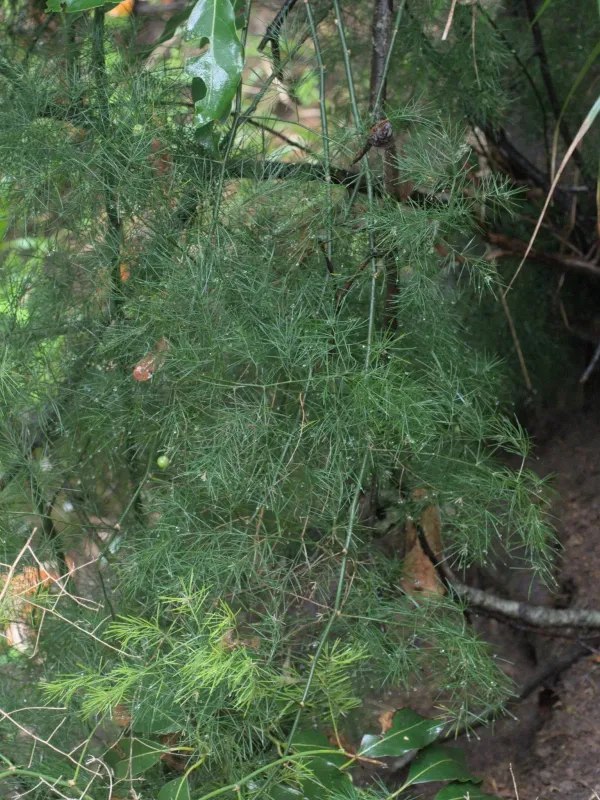
Description
Sowing dates
Seeds of Asparagus umbellatus should be sown in late winter or early spring for the best results. Using a well-draining, light potting soil ensures healthy initial development.
Maintain temperatures between 20°C and 25°C to facilitate uniform germination. Keep the soil consistently moist but never waterlogged to prevent seed rot.
Sow the seeds at a shallow depth of about 0.5 cm. Once the seedlings develop their first true leaves, transplant them into small, individual pots.
Vegetative propagation via division is often preferred for mature plants. This method ensures the new plants will be clones of the parent and helps manage overgrown clusters.
Handle roots carefully during the repotting process as they are quite fragile. Early spring is the best time for such maintenance tasks as the plant enters its growth phase.
Growing requirements
Asparagus umbellatus, a member of the Asparagaceae family, thrives best in bright, indirect light. Direct midday sun can scorch the delicate cladodes and cause yellowing.
The soil should be rich in organic matter, slightly acidic to neutral, and extremely well-drained. Proper drainage is critical to preventing root rot, which the plant is highly susceptible to.
Watering should be frequent during the growing season, allowing the top layer of soil to dry out slightly between sessions. Maintain high atmospheric humidity to keep the foliage lush.
Ideal temperatures range from 18°C to 22°C during the active period. Cooler conditions during winter months help the plant rest and store energy for the next growing season.
Apply a balanced liquid fertilizer every two weeks during spring and summer to support vigorous growth. Reduce fertilization significantly during the cooler dormant period.
Main diseases and pests
Spider mites are the most common pest, especially in dry indoor environments. These pests cause yellow spots on the foliage and eventually lead to webbing.
Scale insects can also infest the stems, appearing as small brown bumps. These pests sap the vitality of the plant and excrete honeydew, which encourages sooty mold.
Root rot is a major threat caused by overwatering or compacted soil. Once rot sets in, it is difficult to treat, making prevention through proper soil structure essential.
Yellowing of the stems can indicate poor light conditions or nutrient imbalances. Regular inspection of the root system and foliage helps identify issues before they spread.
Keeping the plant clean and providing adequate ventilation significantly reduces the risk of fungal infections. Avoid spraying water directly onto flowers or dense foliage if humidity is too high.
Harvesting
In a commercial context, Asparagus umbellatus is cultivated primarily for its decorative stems used in floral arrangements and bouquets.
Harvesting is performed using sterilized, sharp pruning shears. Cut only the mature, hardened stems to ensure that the foliage remains fresh for the end customer.
After harvesting, place the cut stems in cool water immediately. Proper hydration ensures a longer shelf life and prevents the leaves from drying out prematurely.
Regularly trimming stems encourages the plant to produce new, fresh growth. Ensure that the plant receives extra nutrients following a major harvest to aid recovery.
Optimal productivity in commercial settings is achieved under controlled greenhouse conditions. This allows for year-round harvesting and consistent stem quality.